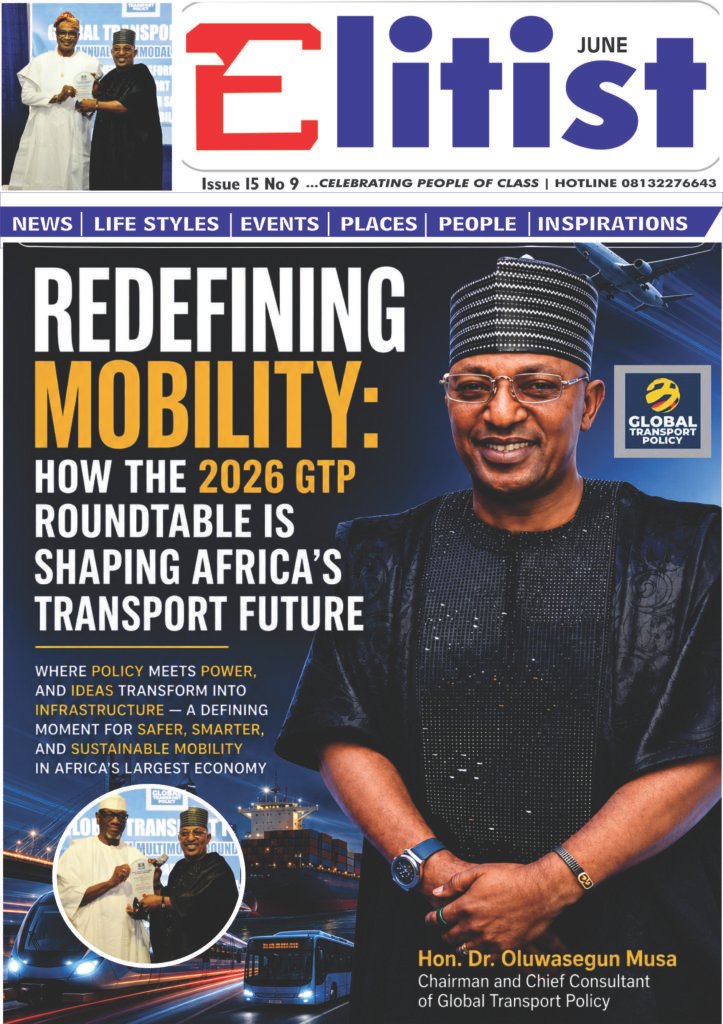
WHERE POLICY MEETS POWER, AND IDEAS TRANSFORM INTO INFRASTRUCTURE — A DEFINING MOMENT FOR SAFER, SMARTER, AND SUSTAINABLE MOBILITY IN AFRICA’S LARGEST ECONOMY
REDEFINING MOBILITY: HOW THE 2026 GTP ROUNDTABLE IS SHAPING AFRICA’S TRANSPORT FUTURE
Where Policy Meets Power, and Ideas Transform into Infrastructure
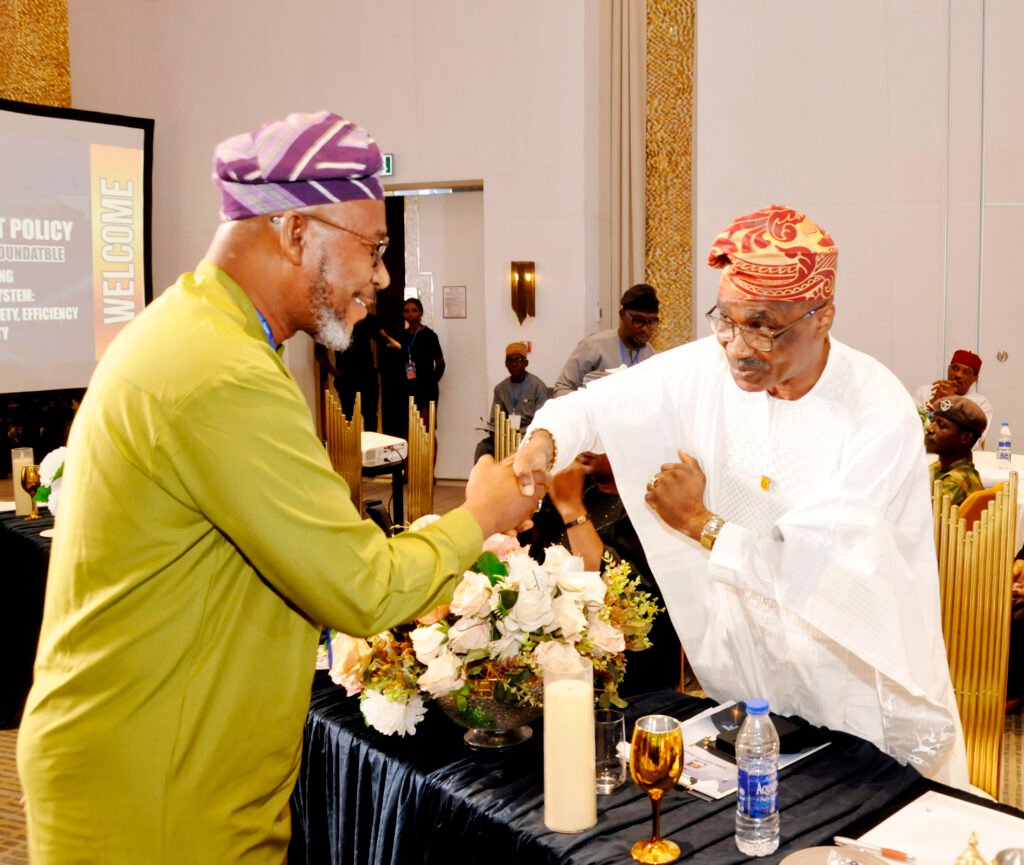
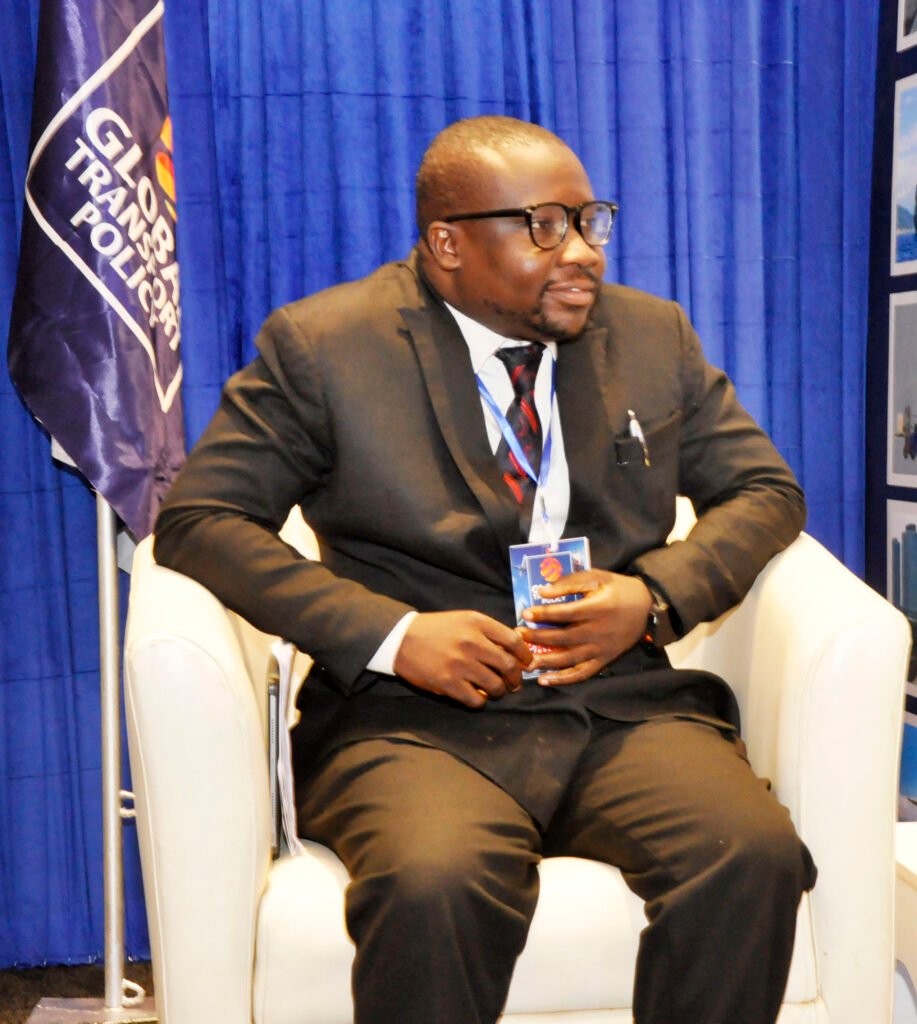
At a time when transportation has become one of the most critical drivers of economic competitiveness, the 2026 Global Transport Policy (GTP) Annual Multimodal Roundtable emerged as a powerful convergence of ideas, leadership, innovation, and strategic thinking aimed at redefining the future of mobility in Nigeria and across Africa.
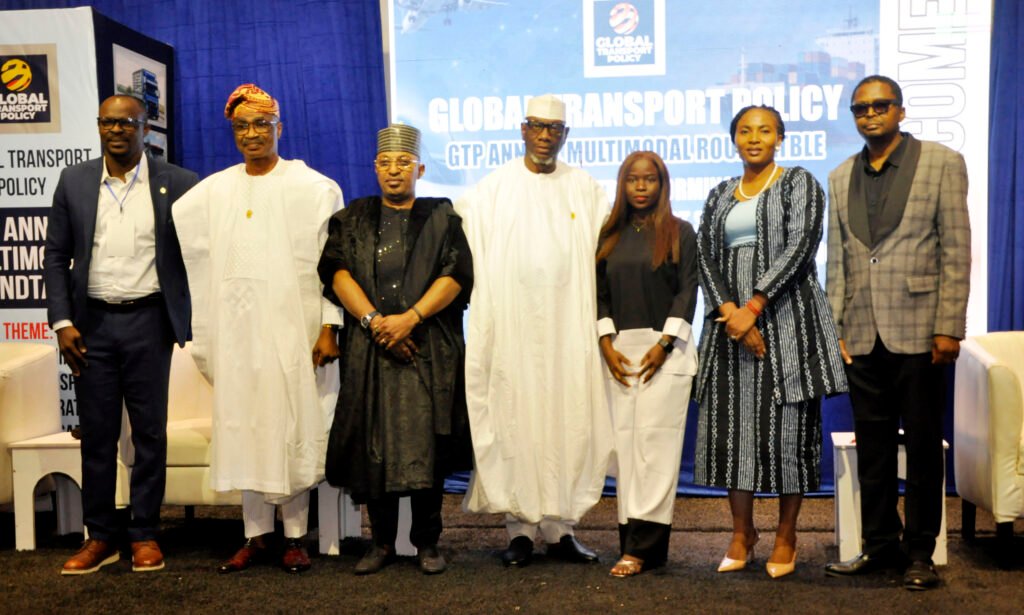
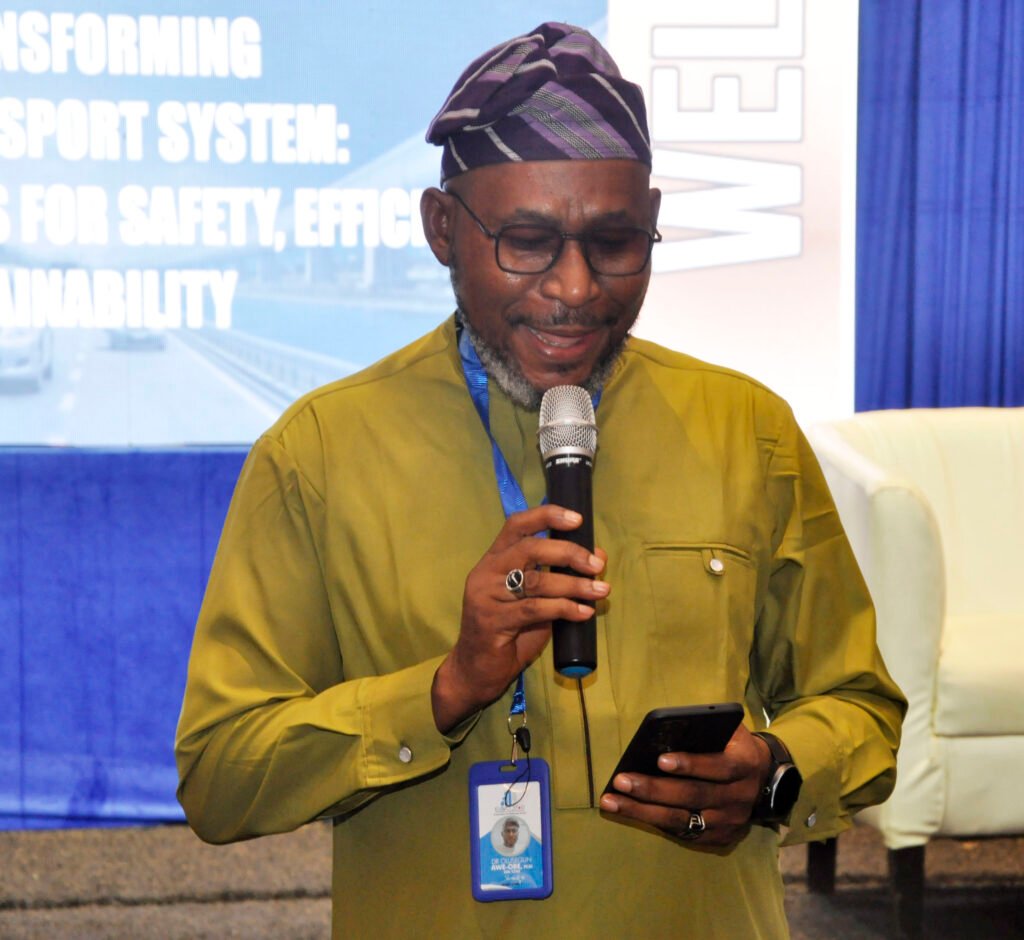
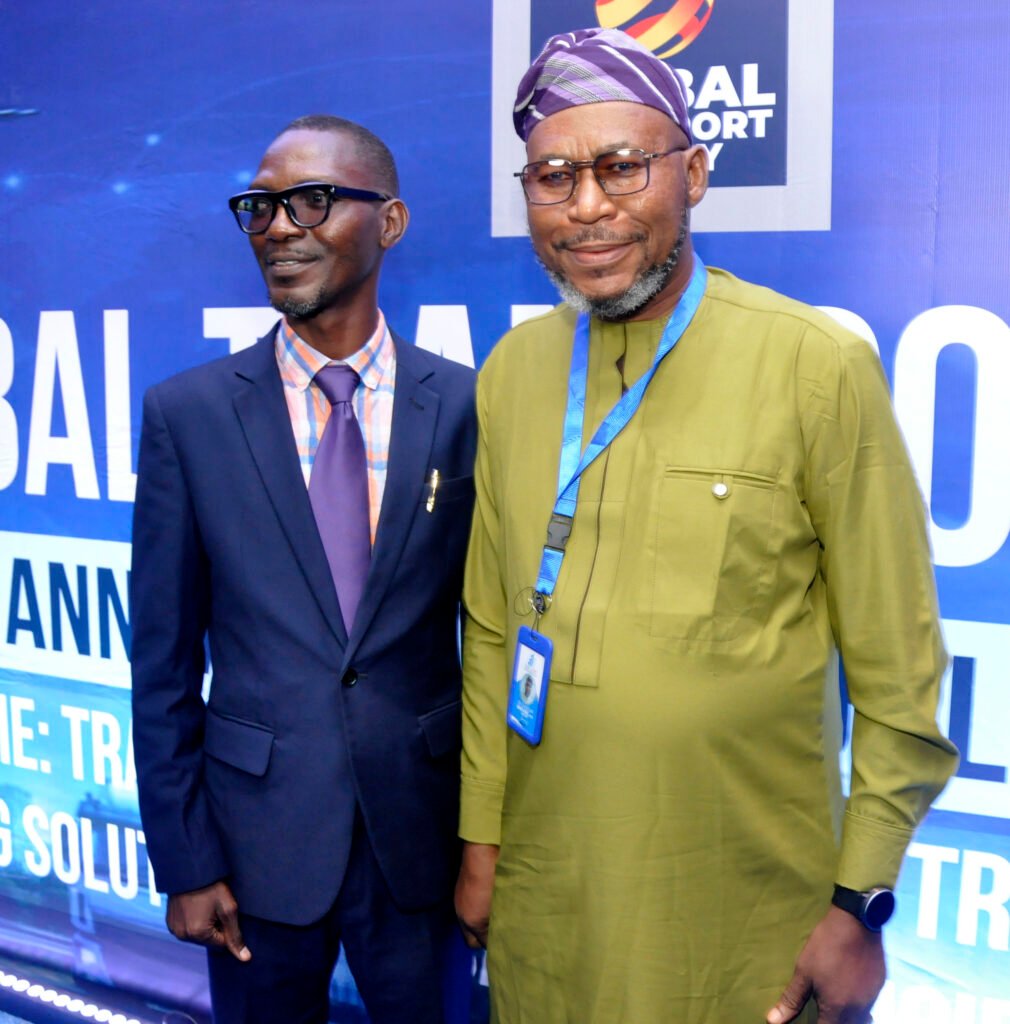
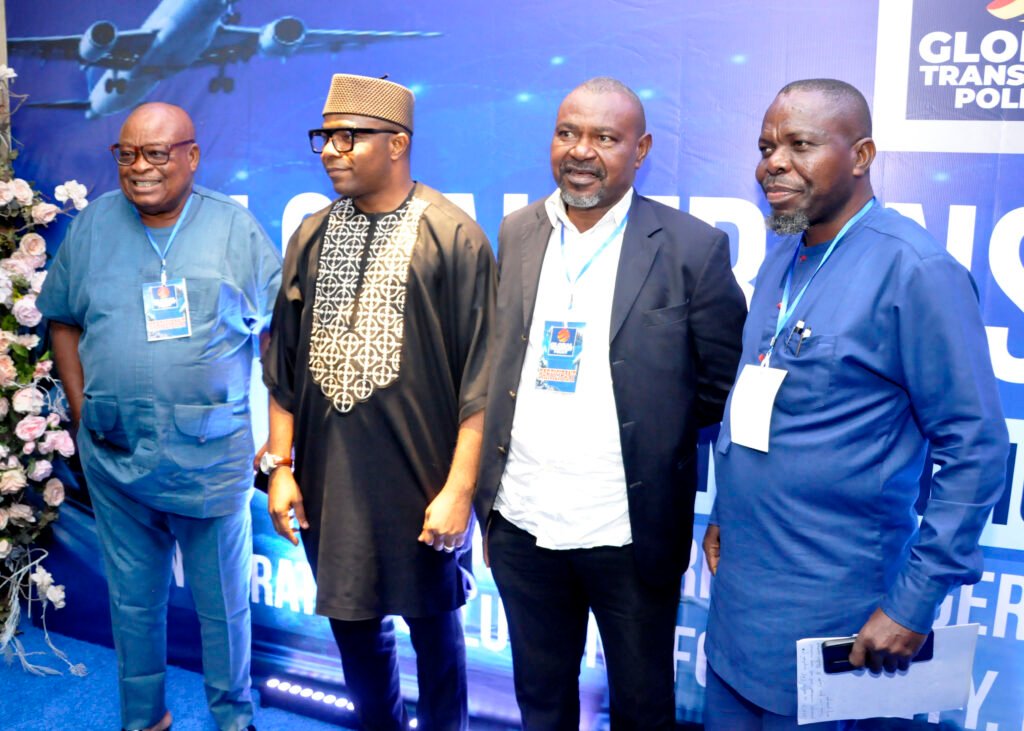
Held at the Marriott Hotel, Ikeja, Lagos, the high-level gathering brought together policymakers, transport regulators, development partners, academics, investors, technology innovators, labour leaders, and industry stakeholders under the theme: “Transforming Nigeria’s Transport System: Integrating Solutions for Safety, Efficiency and Sustainability.”
More than a conference, the Roundtable became a strategic platform for charting a practical roadmap toward an integrated transportation ecosystem capable of driving trade, accelerating economic growth, reducing logistics costs, and positioning Nigeria as a leading mobility hub on the African continent.
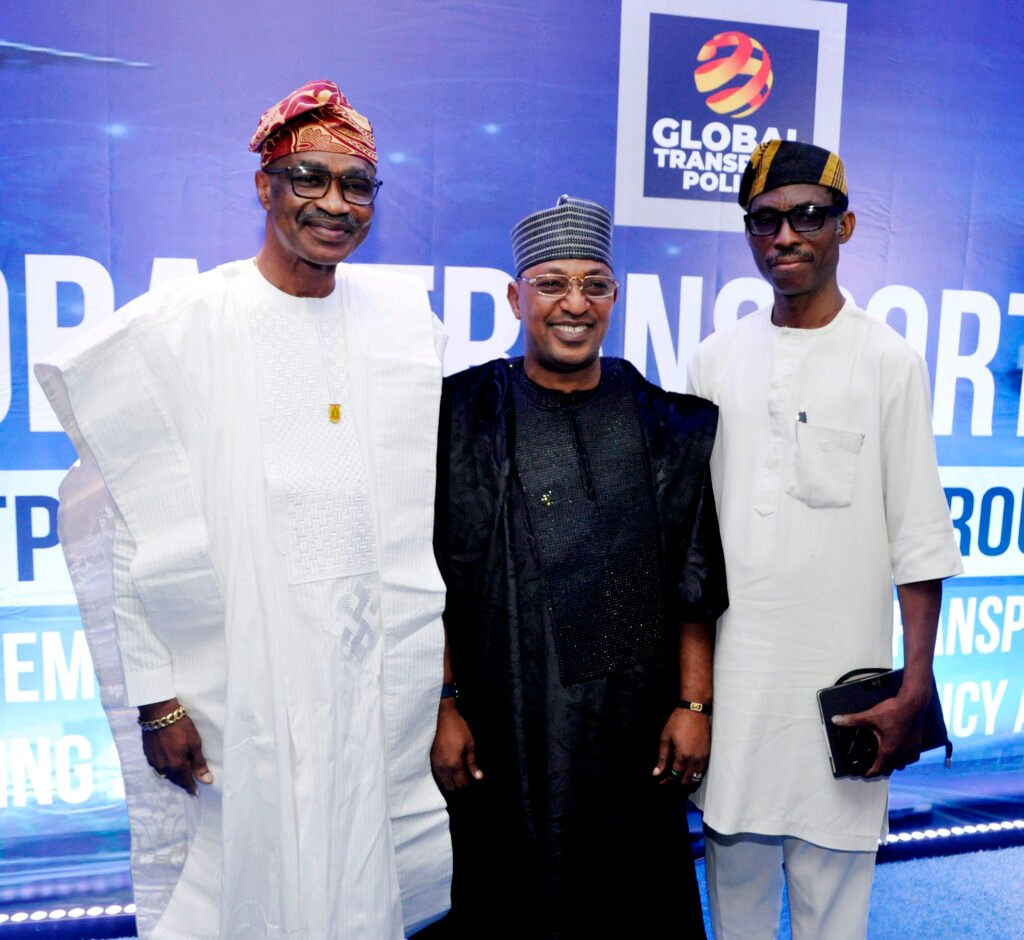
A CONVERGENCE OF LEADERSHIP AND POLICY VISION
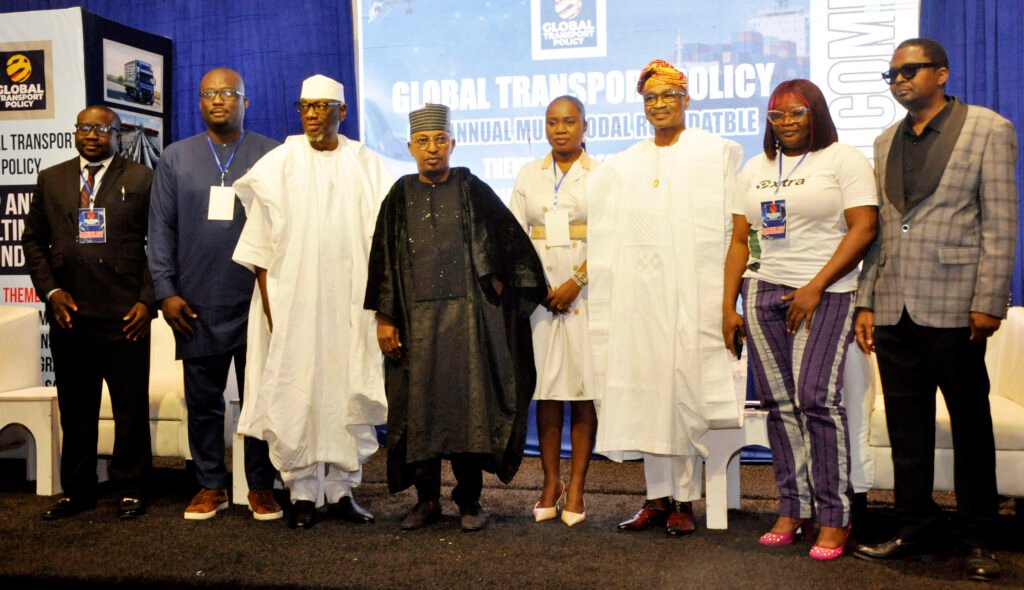
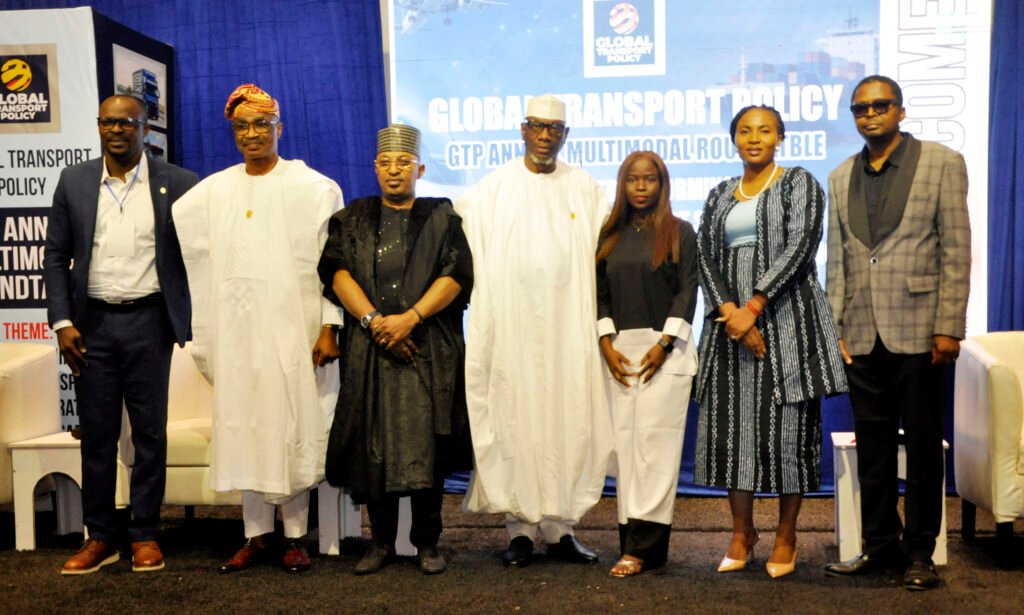
At the heart of the summit stood His Excellency Babajide Olusola Sanwo-Olu, Executive Governor of Lagos State, who served as Chief Host and was ably represented by Engr. Mrs. Abimbola Akinajo, Managing Director of LAMATA. She reaffirmed Lagos State’s commitment to building an integrated, efficient, and sustainable transport ecosystem capable of supporting economic growth, enhancing mobility, and improving the quality of life of citizens.
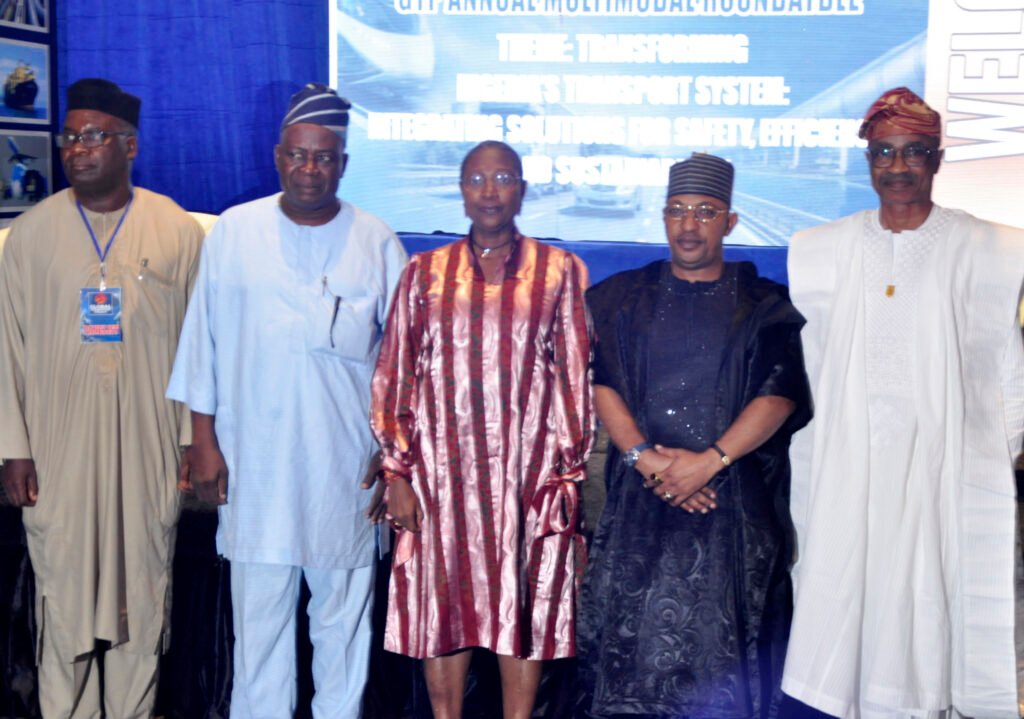
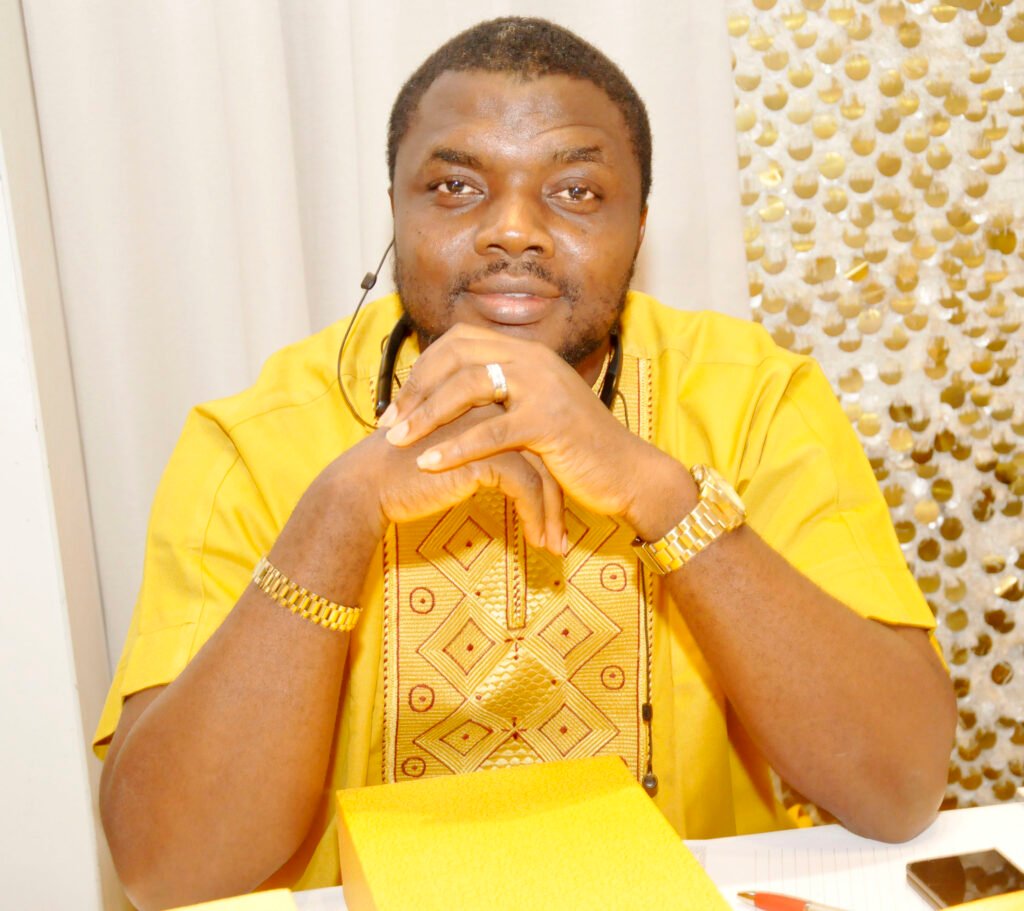
The event was chaired by Air Commodore (rtd) Ademola Onitiju mni, President of ARTI, who provided strategic leadership and direction to the high-level policy engagement. Hon. Dr. Oluwasegun Musa, Chairman and Chief Consultant of Global Transport Policy, served as Convener, bringing together a distinguished assembly of stakeholders united by a shared vision of transport transformation.
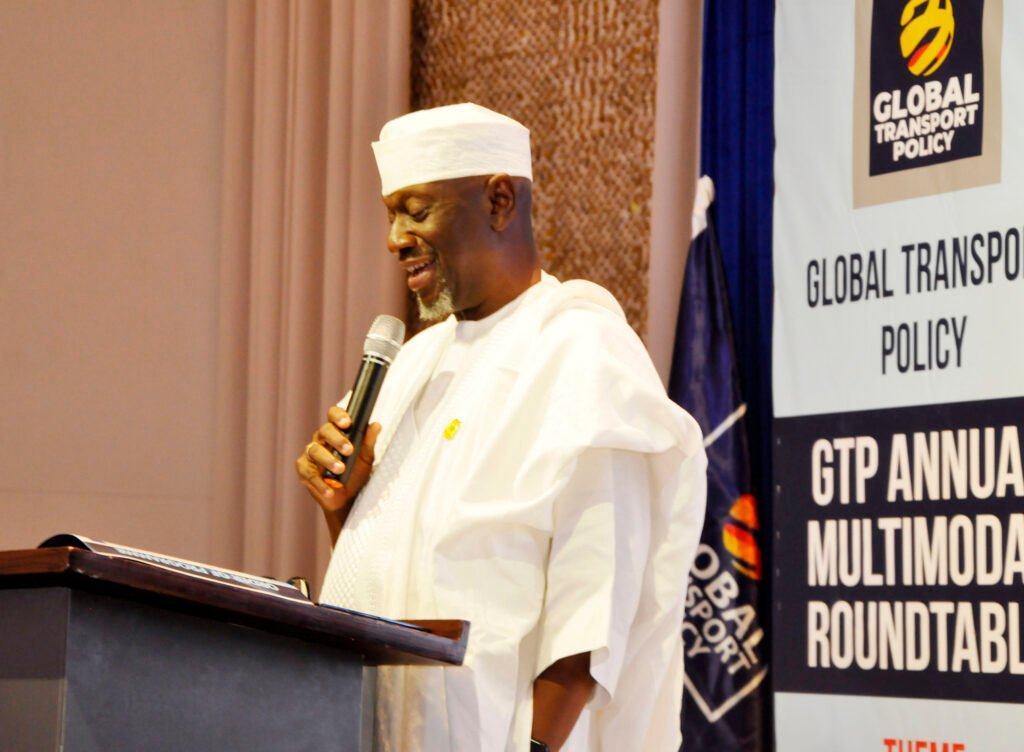
Setting the tone for the discourse, Onoruoiza Mark Onuchi, Chief Operating Officer of GTP, underscored the urgency of multimodal integration as the pathway to unlocking Nigeria’s economic and developmental potential.
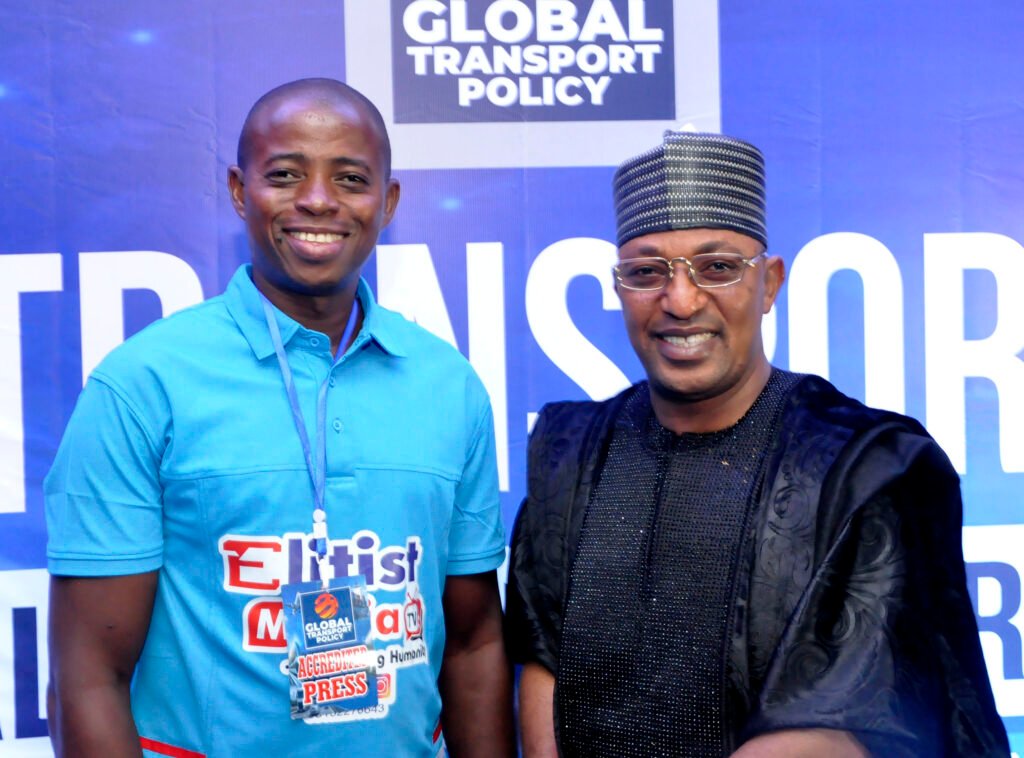
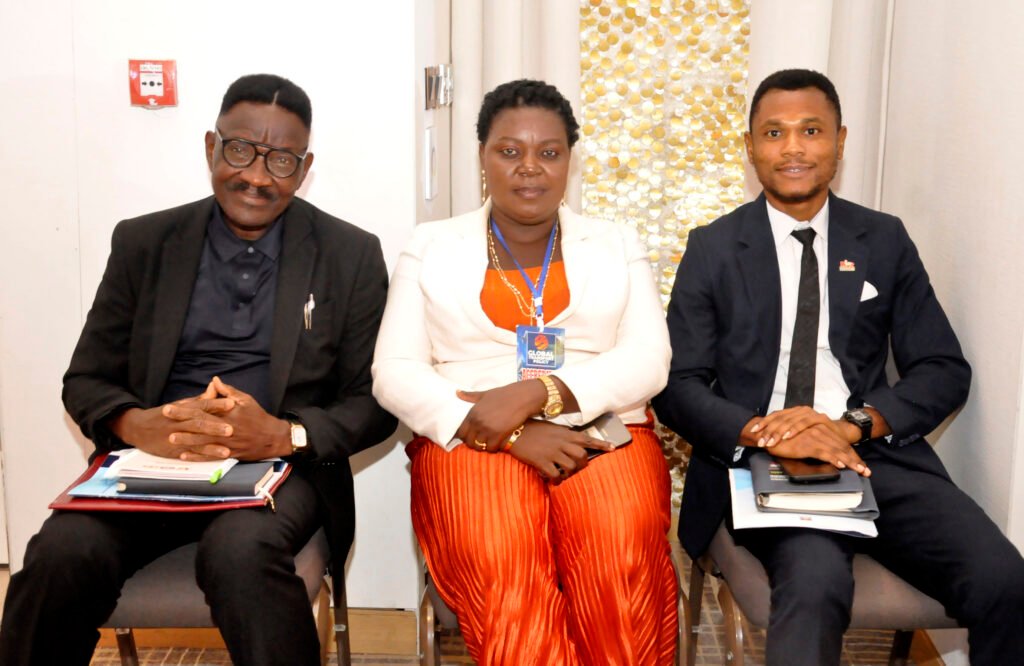
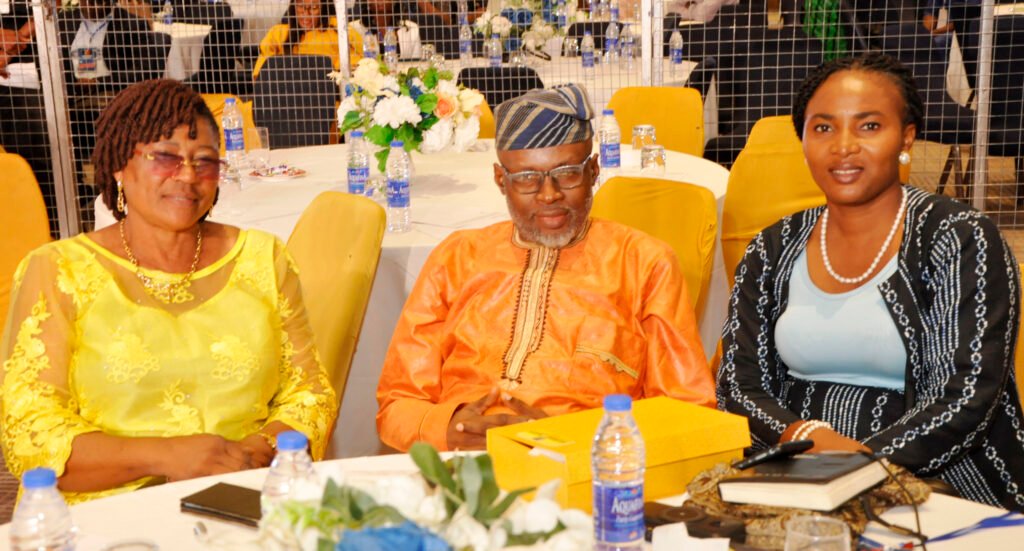
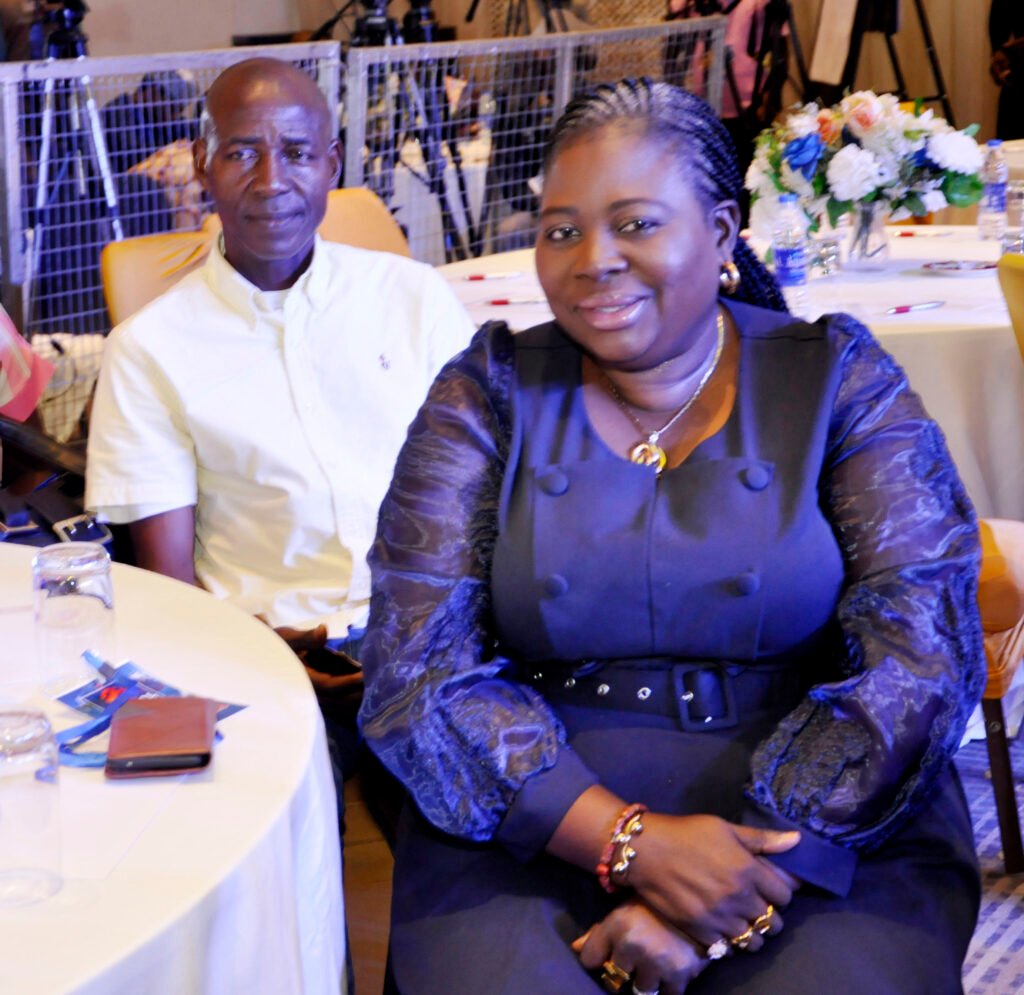
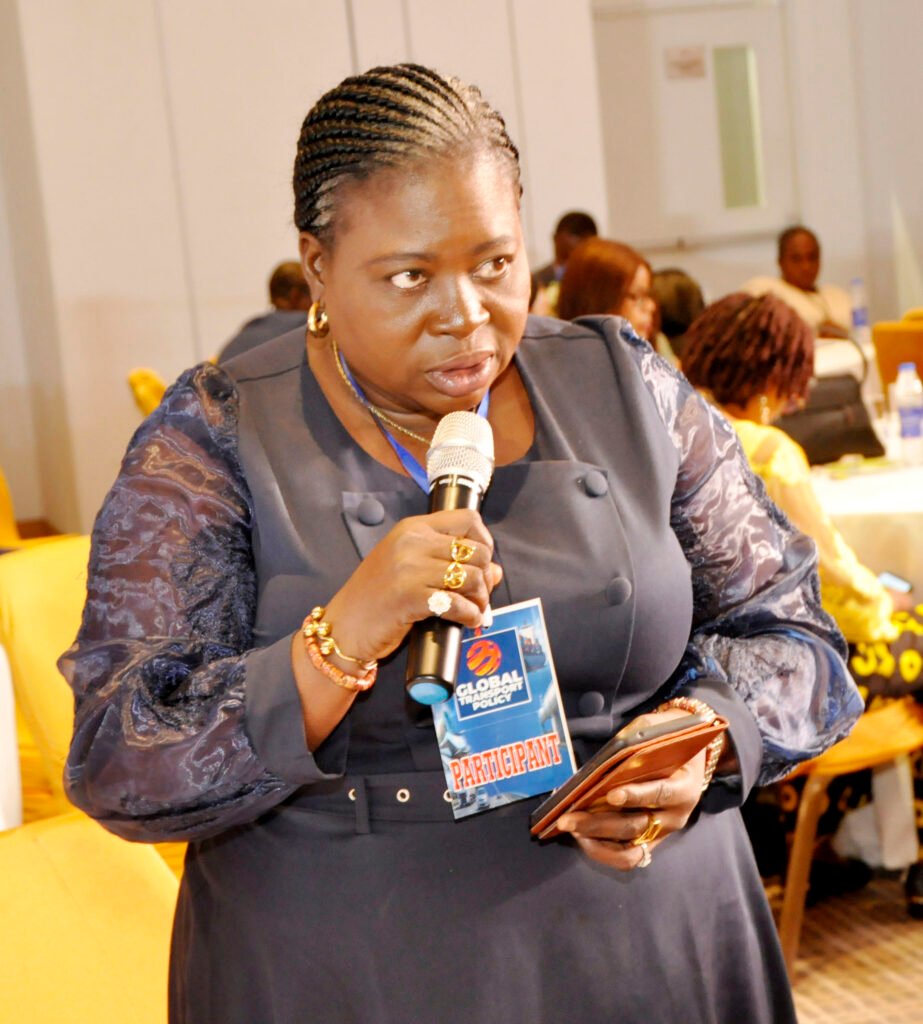
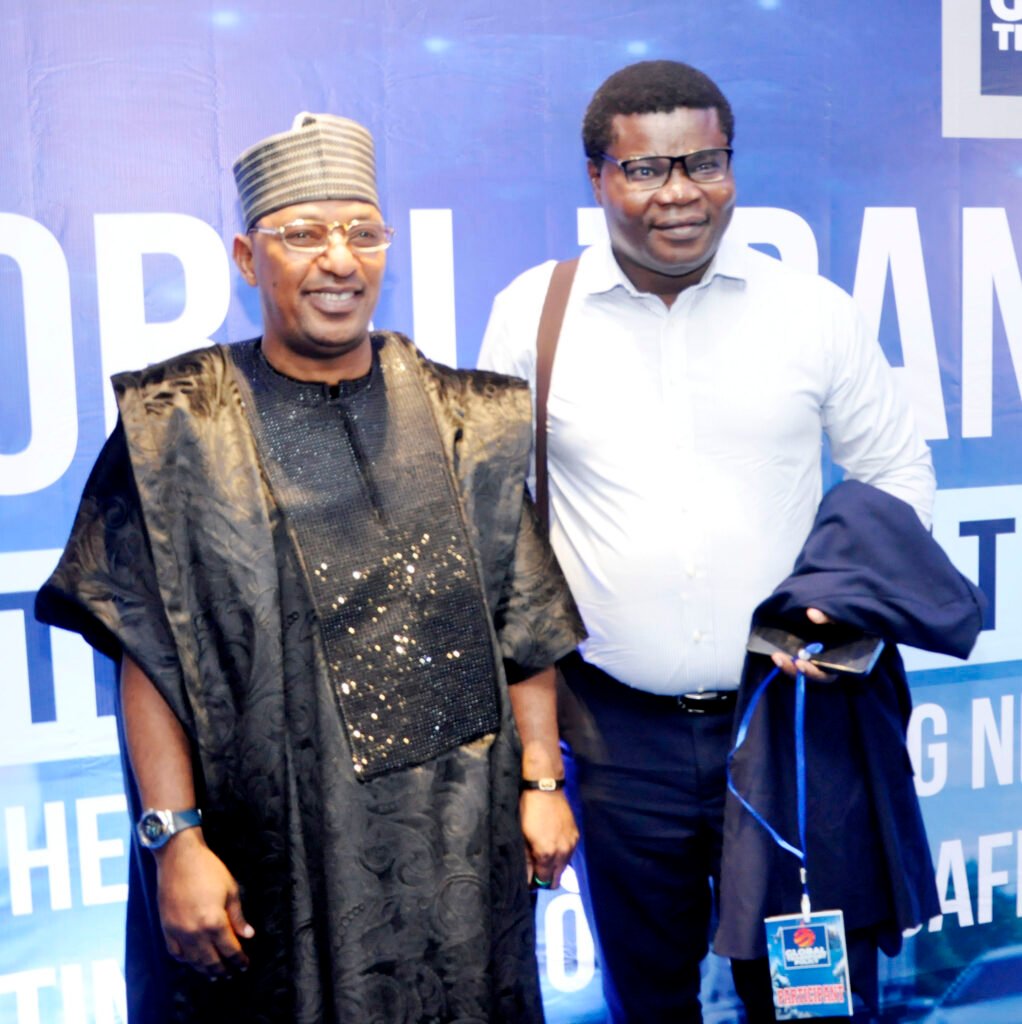
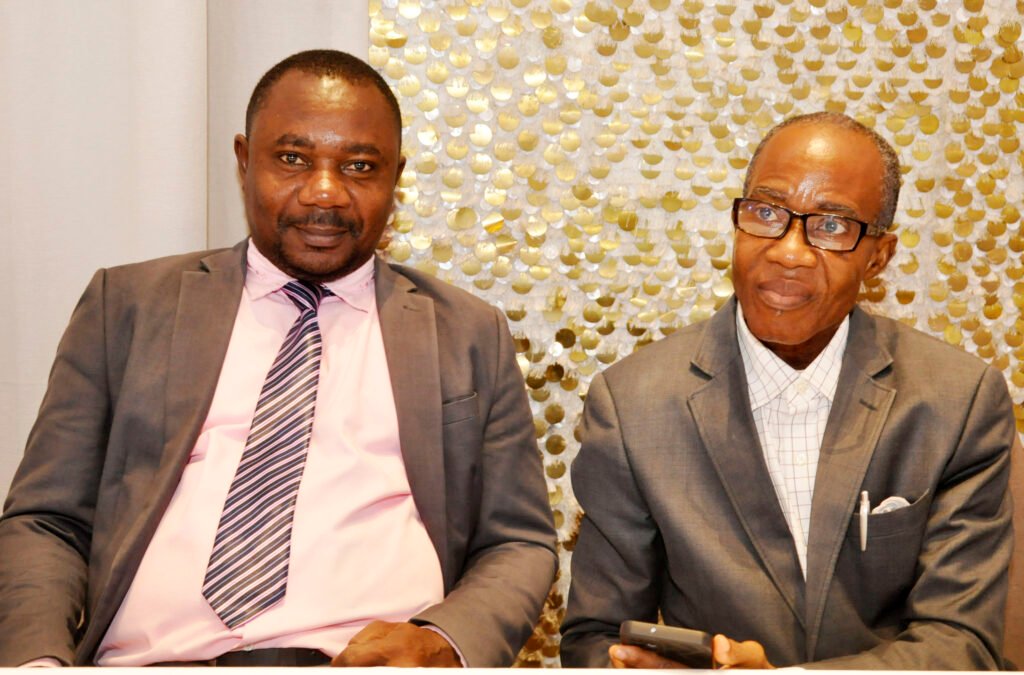
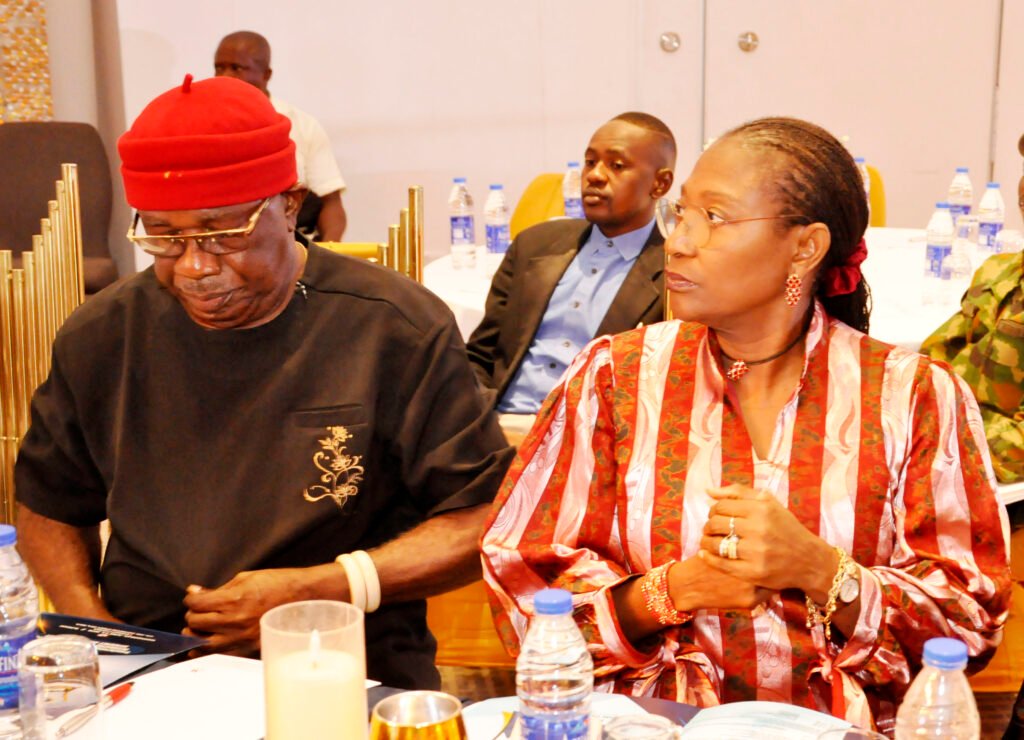
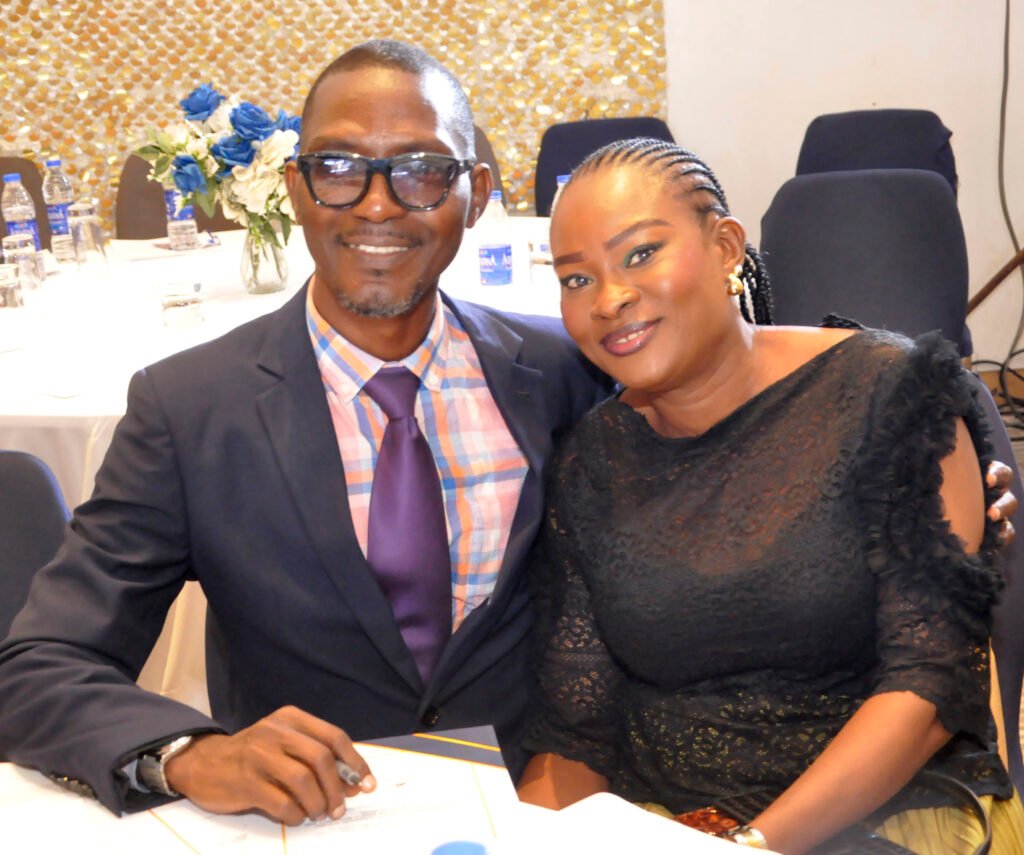
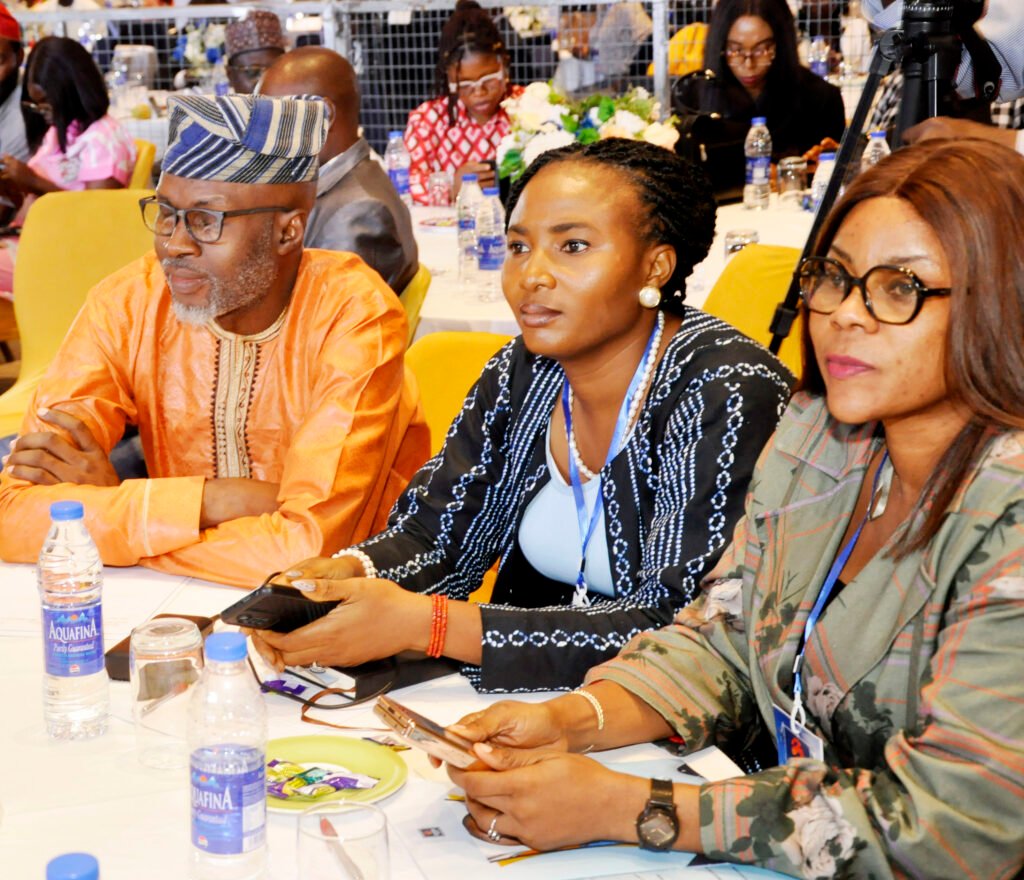
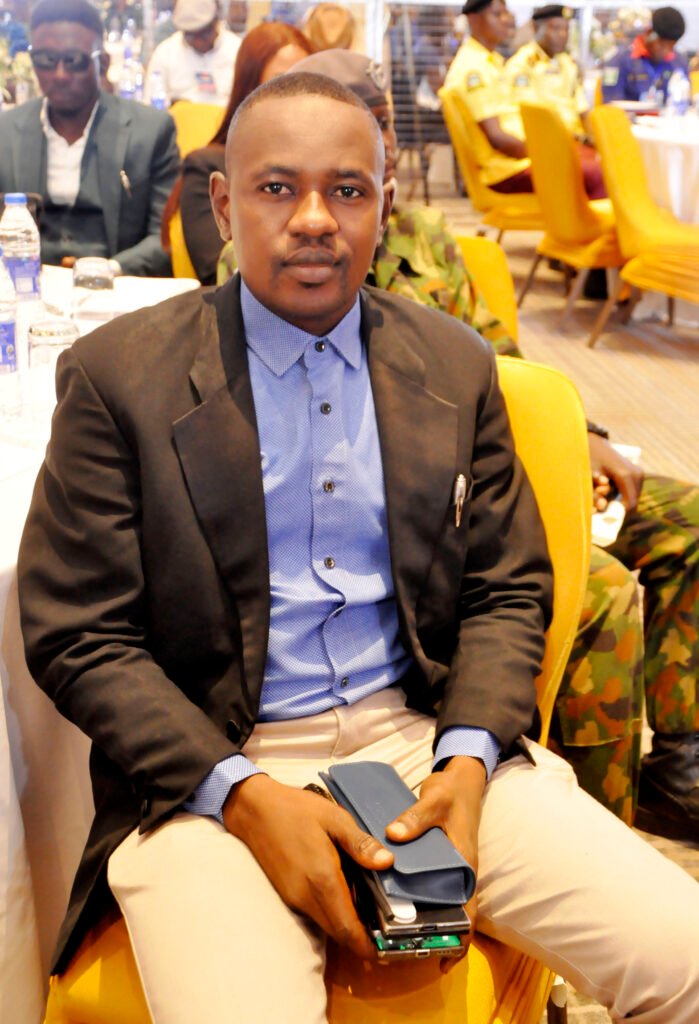
The Roundtable attracted a broad spectrum of stakeholders whose presence reflected the growing importance of transportation to national development. Among those in attendance were media professionals from print, broadcast, digital, documentary, and investigative journalism backgrounds, transport operators, academics, researchers, and private-sector leaders—all united by a shared commitment to building a safer, smarter, and more efficient transport ecosystem for Nigeria.
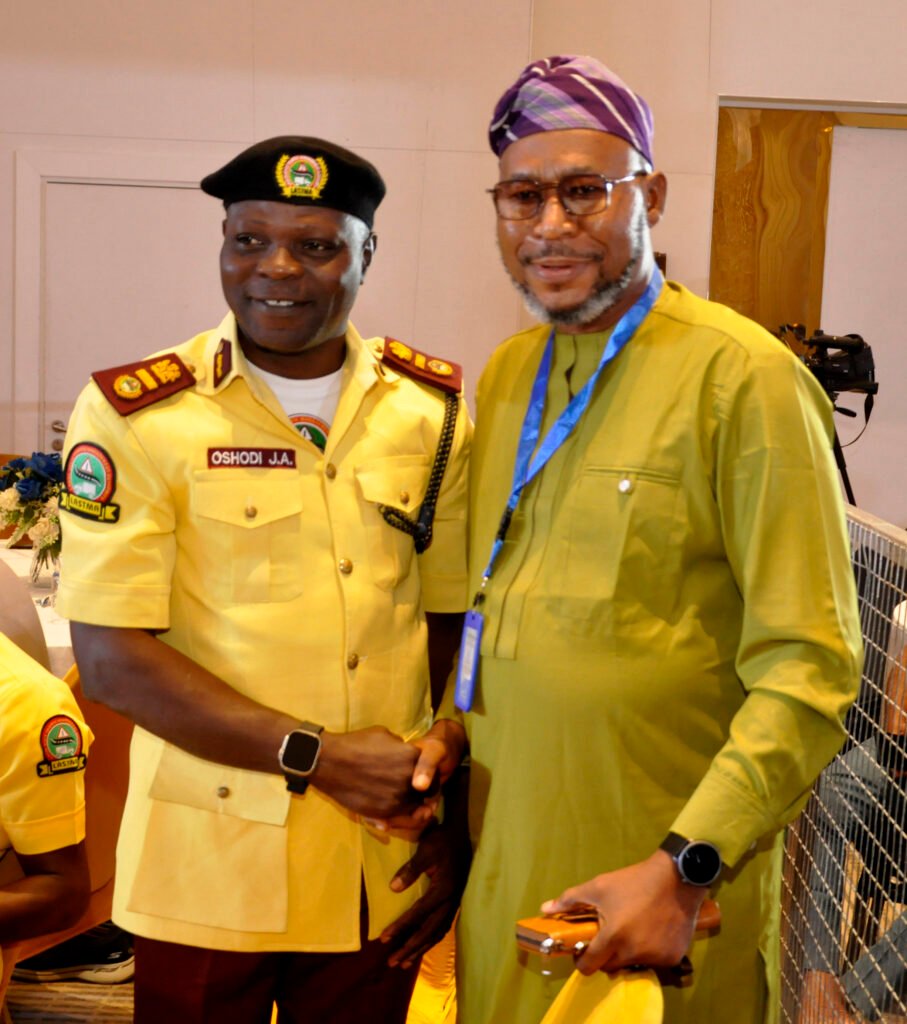
Also present were officers of the Nigeria Police Force, officials of the Lagos State Traffic Management Authority (LASTMA), and personnel of the Nigeria Security and Civil Defence Corps (NSCDC), whose participation underscored the importance of enforcement, safety, and operational discipline in transport governance.

PEOPLE AT THE CENTRE OF TRANSPORT TRANSFORMATION
In her remarks, Engr. Mrs. Abimbola Akinajo emphasized that Nigeria’s most powerful transport asset lies not in infrastructure alone, but in its people. She noted that ambition, creativity, resilience, and human capital remain the true drivers of national transformation, stressing that sustainable transport development must prioritise strategic planning, institutional efficiency, and people-centred investment models.

Delivering the welcome address, Hon. Dr. Oluwasegun Musa presented a sobering analysis of Nigeria’s transport sector, revealing that the country loses an estimated ₦3.2 trillion annually to inefficiencies driven by congestion, poor modal integration, logistics fragmentation, and infrastructure deficits. With logistics costs accounting for over 42 percent of GDP and over 90 percent of movement dependent on roads, he warned that the imbalance continues to undermine productivity and national competitiveness.
He anchored the Roundtable on three pillars: strengthening institutions and investments, driving seamless multimodal mobility, and reimagining safe and smart transport systems for a sustainable future.

POWERFUL PANEL SESSIONS DEFINE THE INTELLECTUAL CORE OF THE ROUNDTABLE
The intellectual depth of the event was further reflected in a series of high-level panel sessions that brought together leading voices in transport policy, innovation, regulation, and logistics development.
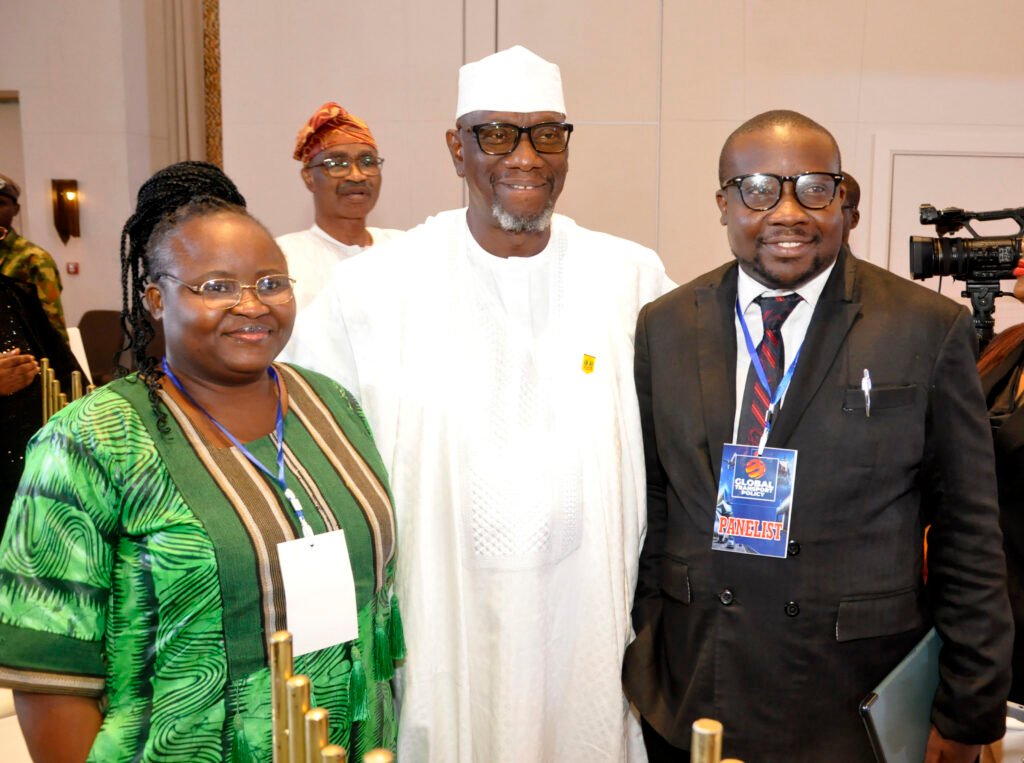
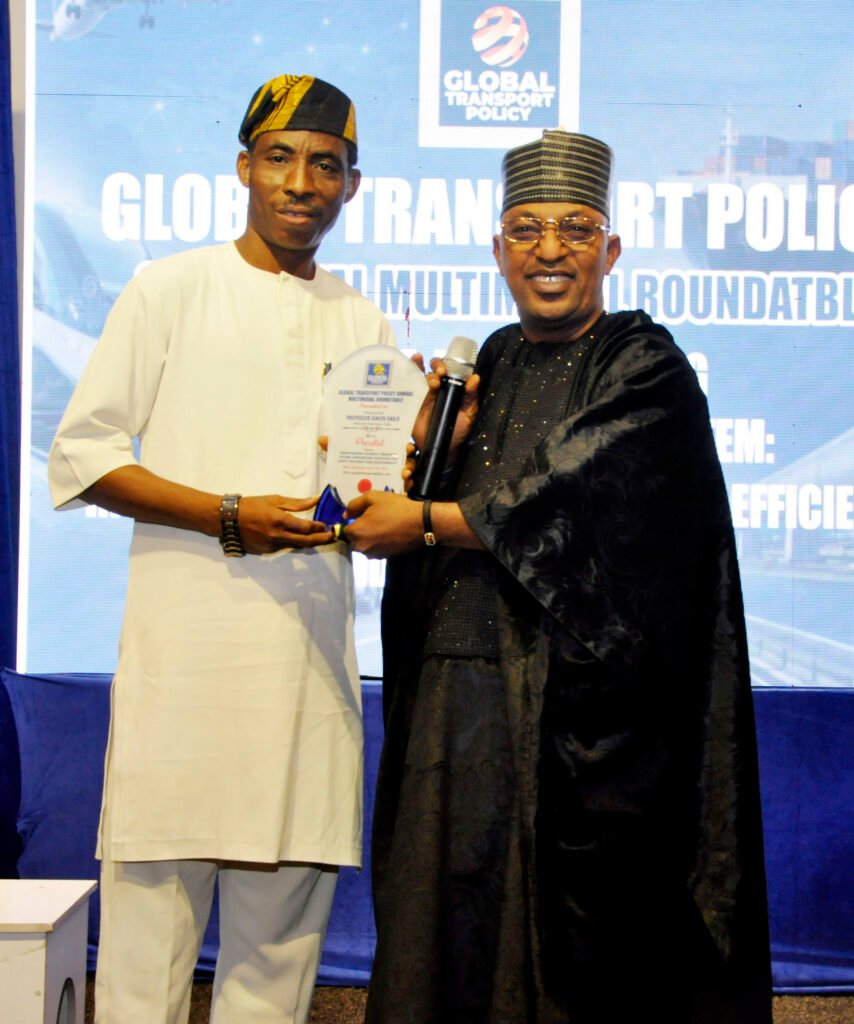
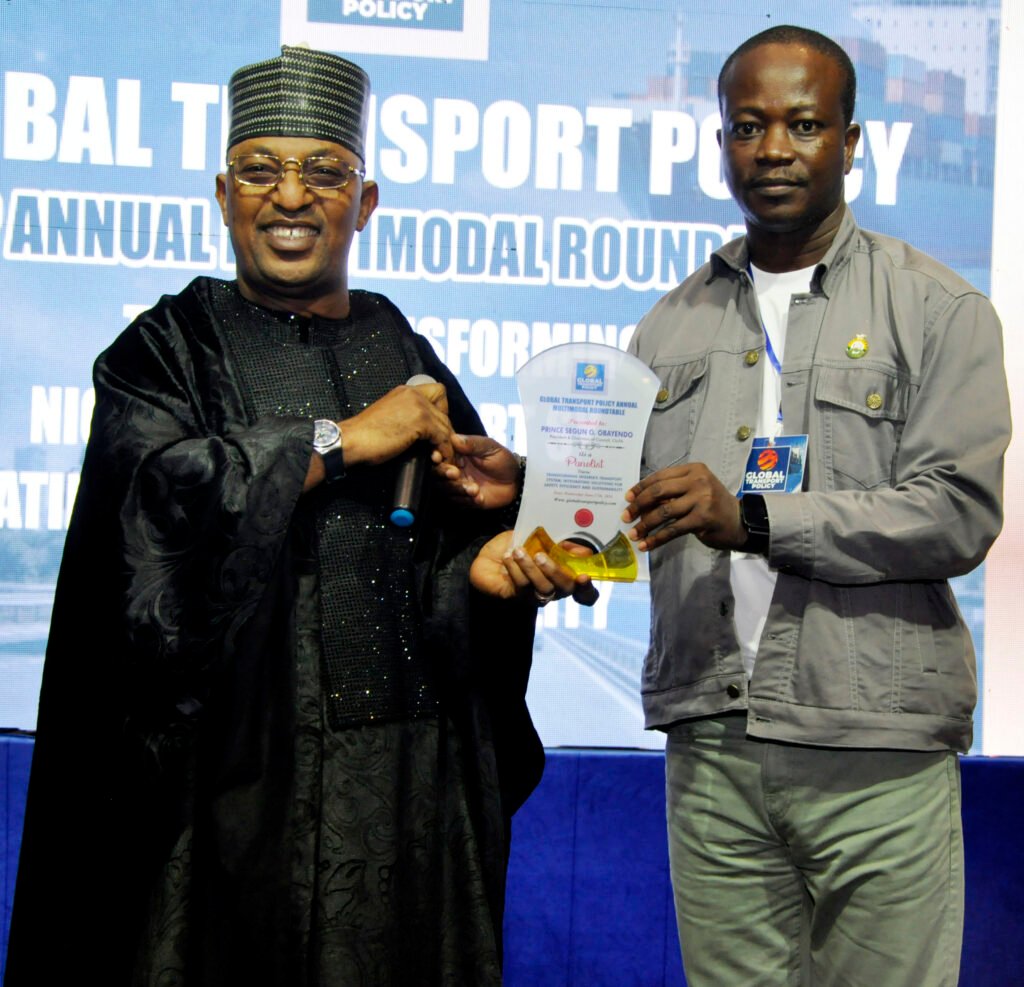
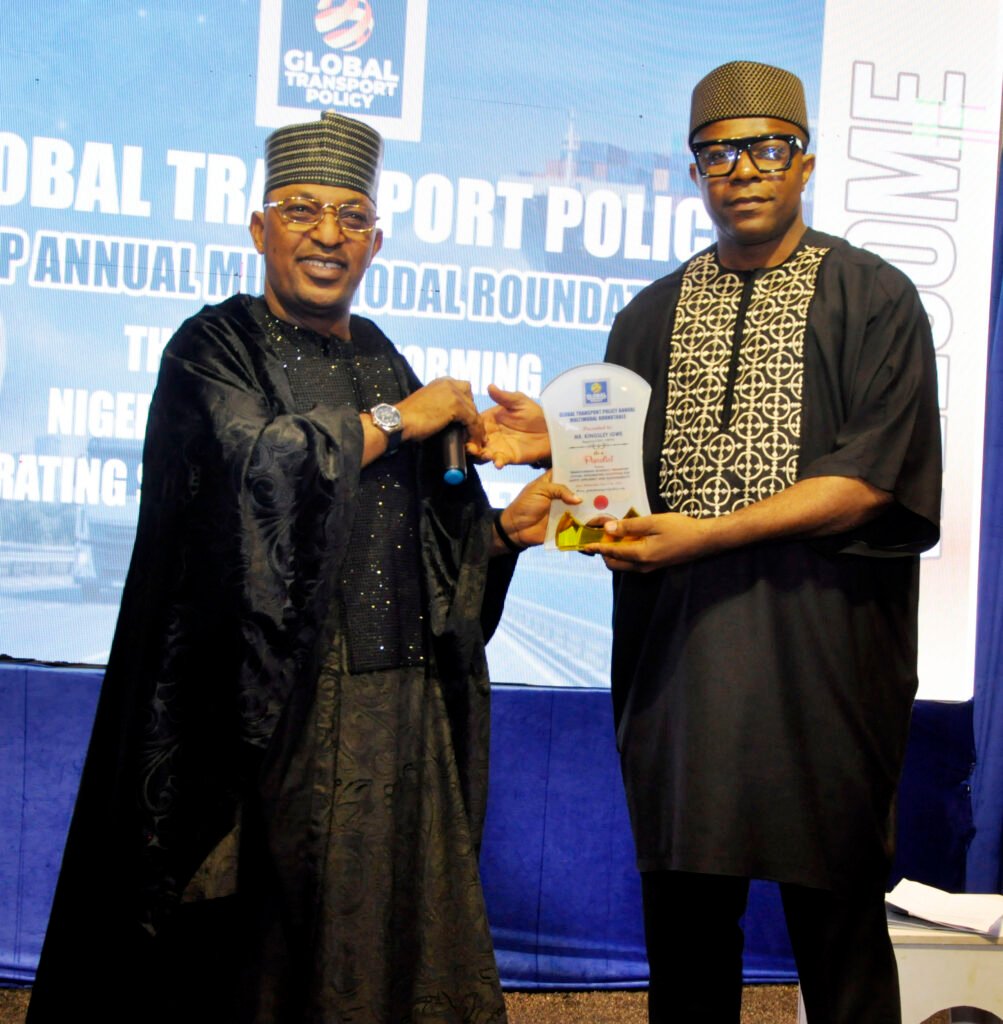
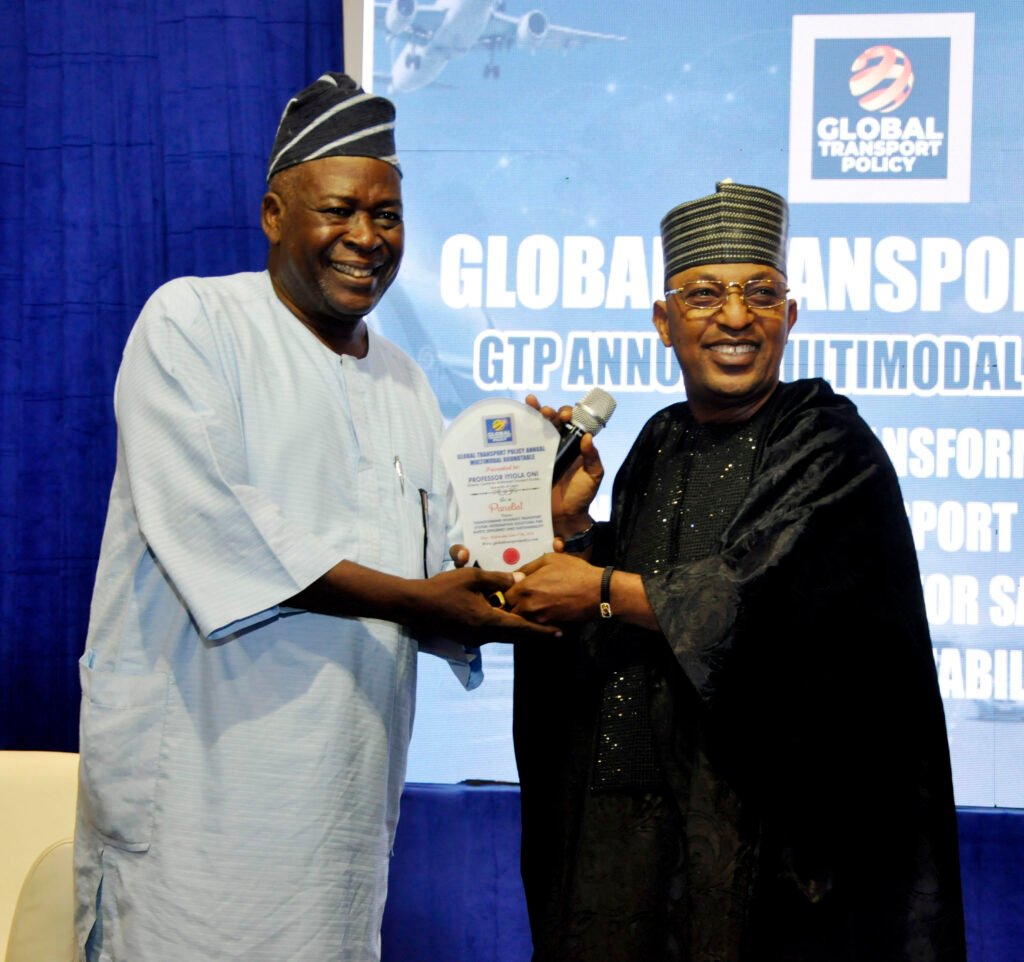
The first session, moderated by Dr. Olayemi Dickson, focused on strengthening institutions and building a resilient transport workforce. It featured Dr. Bayero Salih Farah (NITT), Mr. Kingsley Igwe (CRFFN), Prince Segun O. Obayendo (CIoTA), Professor Iyiola Oni (University of Lagos), and a representative of Distinguished Professor Simon Emeje. The session emphasized institutional strengthening, human capital development, and coordinated governance as the foundation for sustainable transport reform.
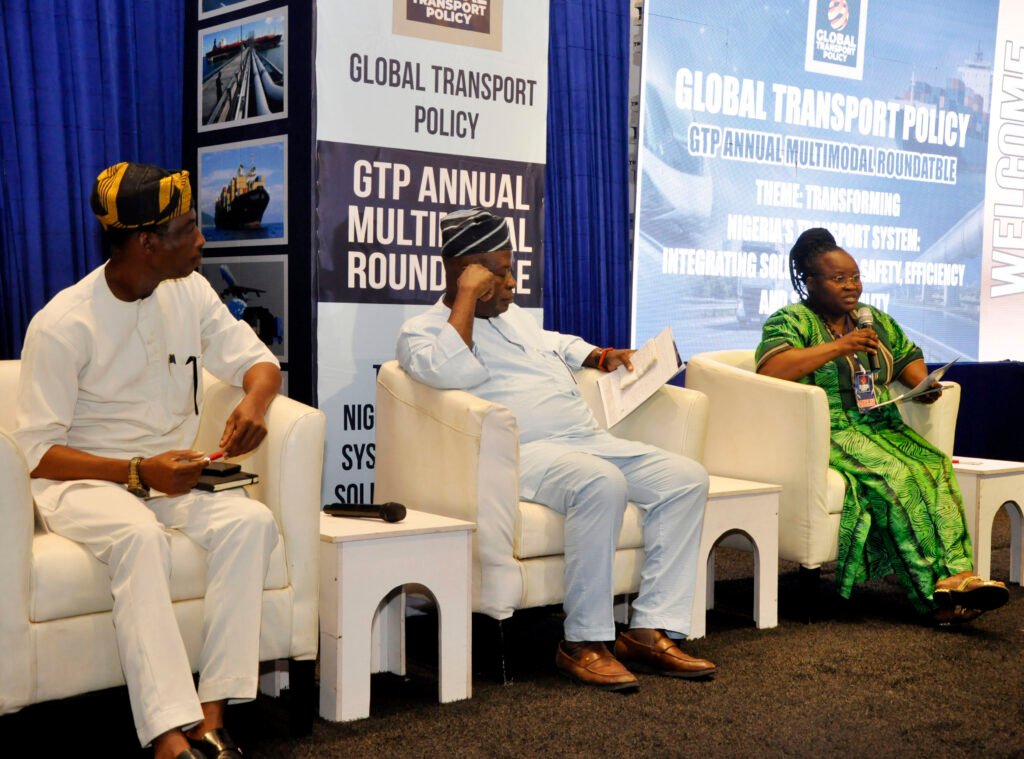
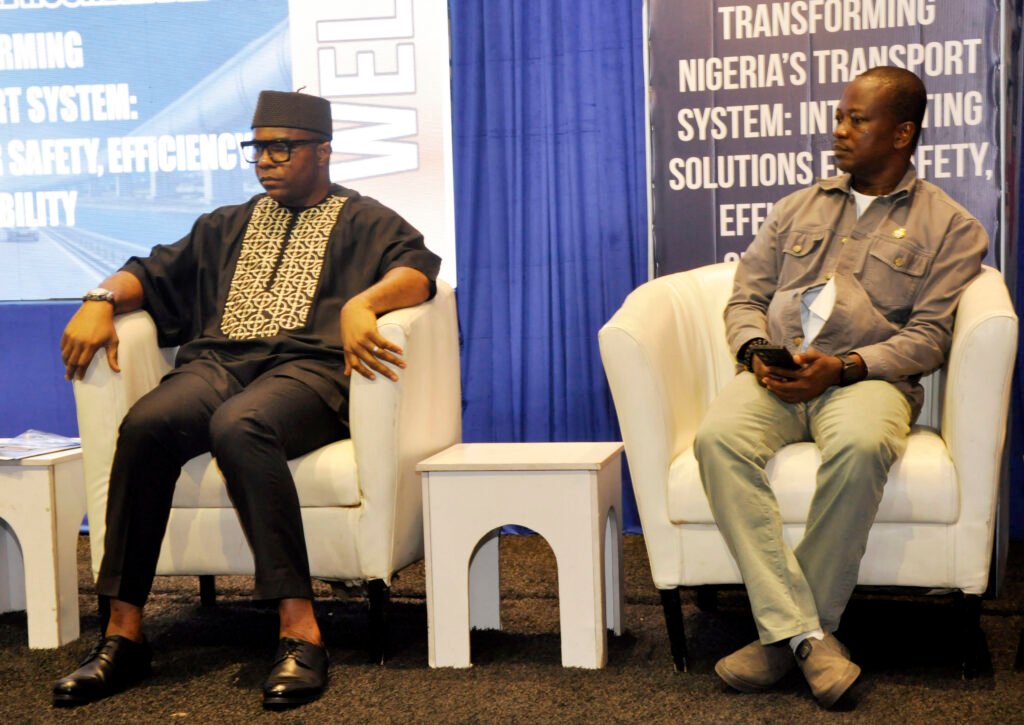
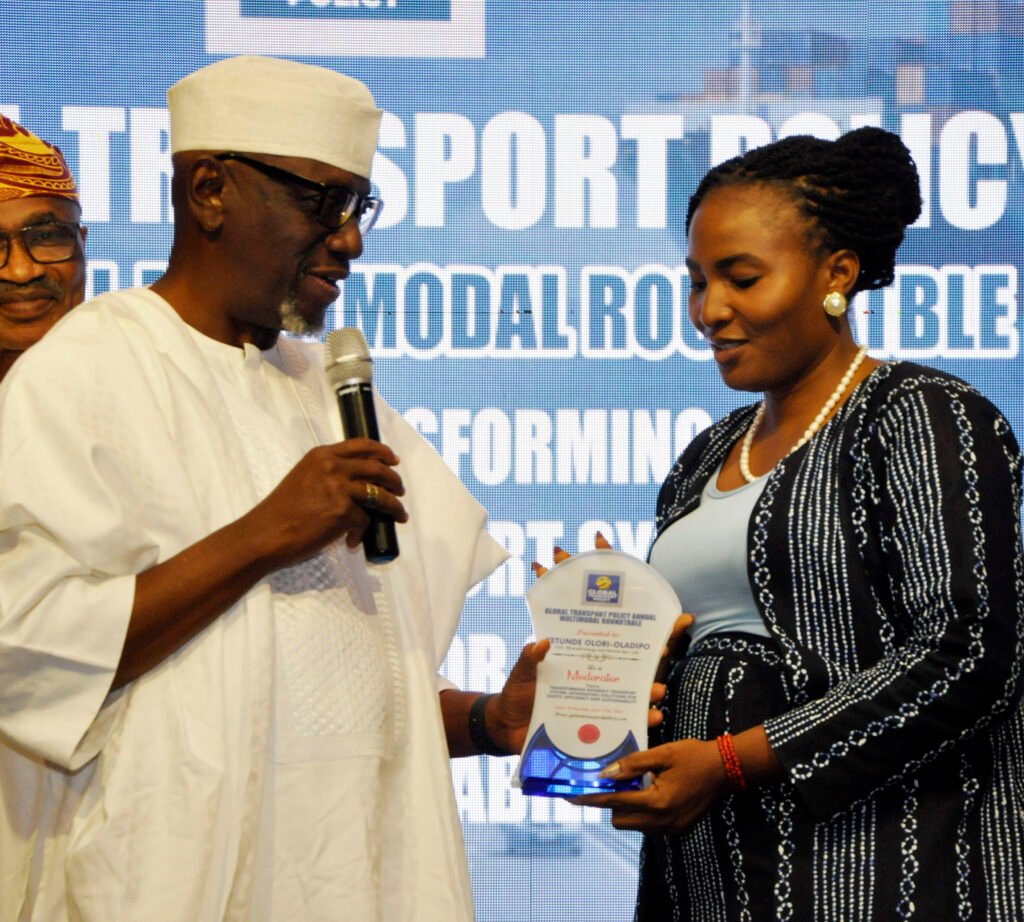
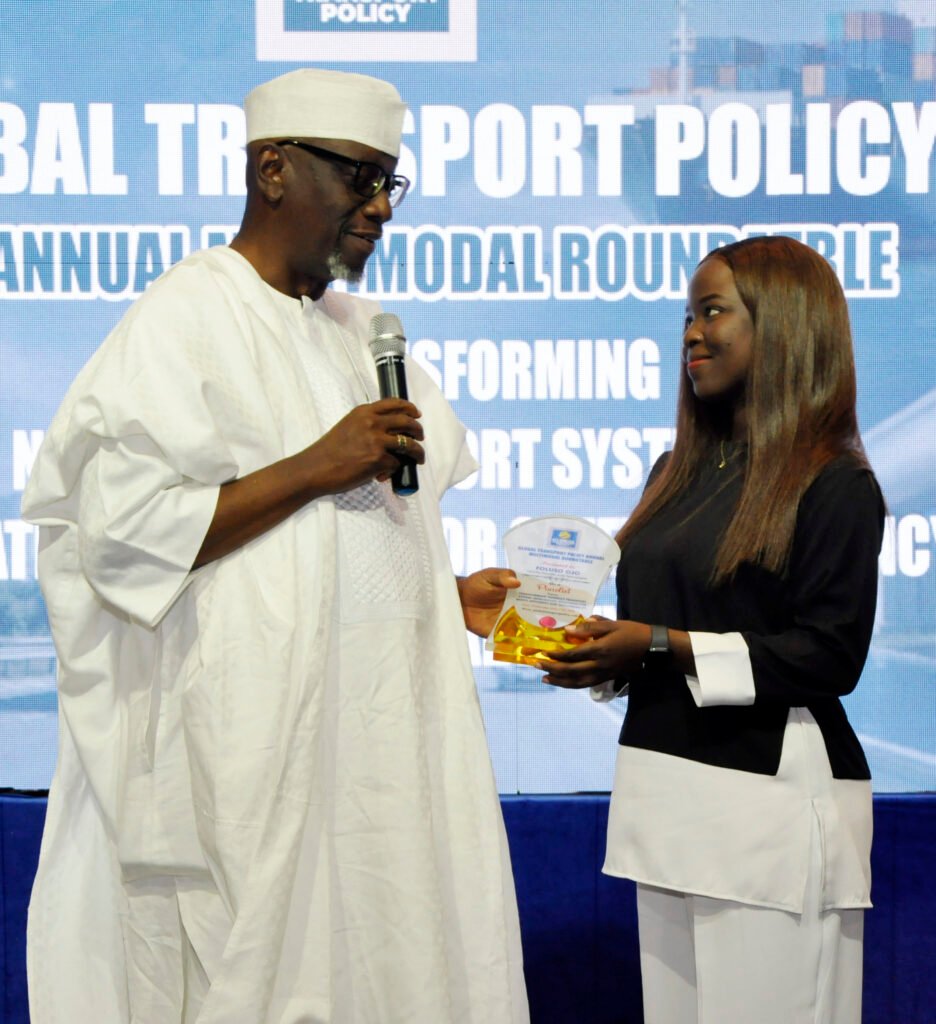
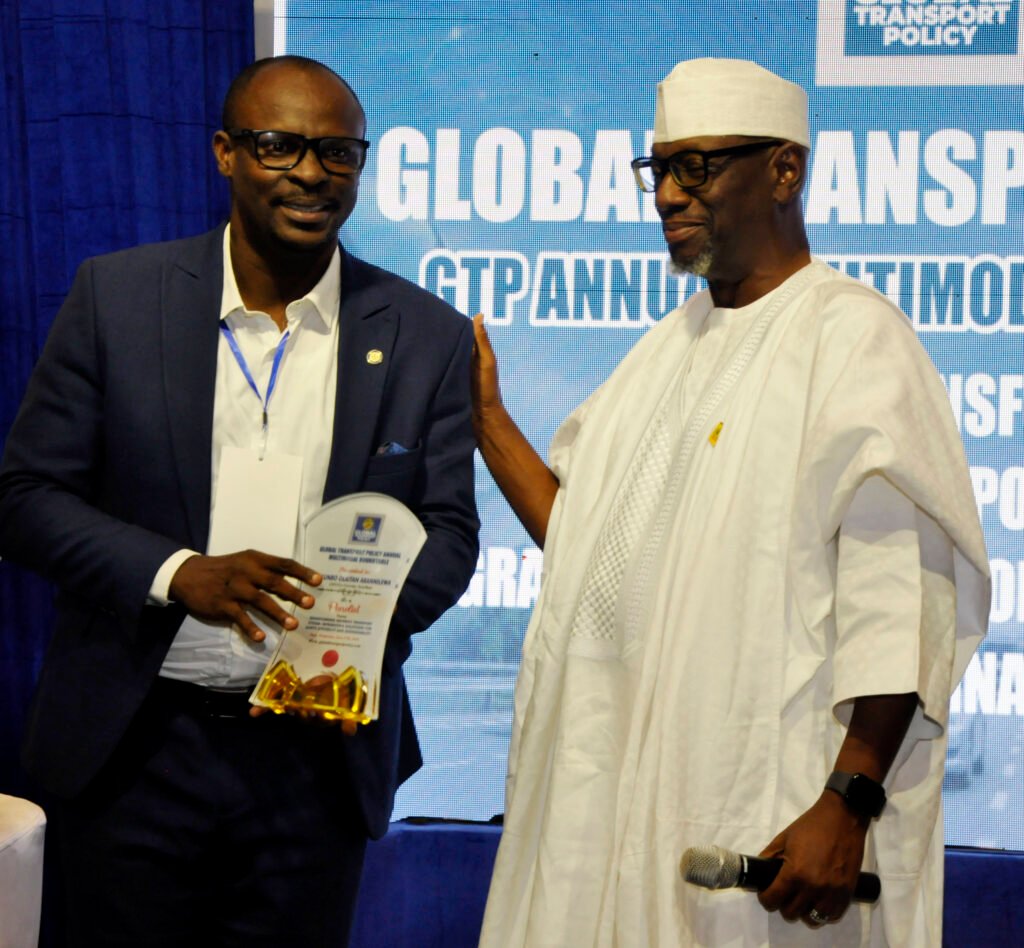
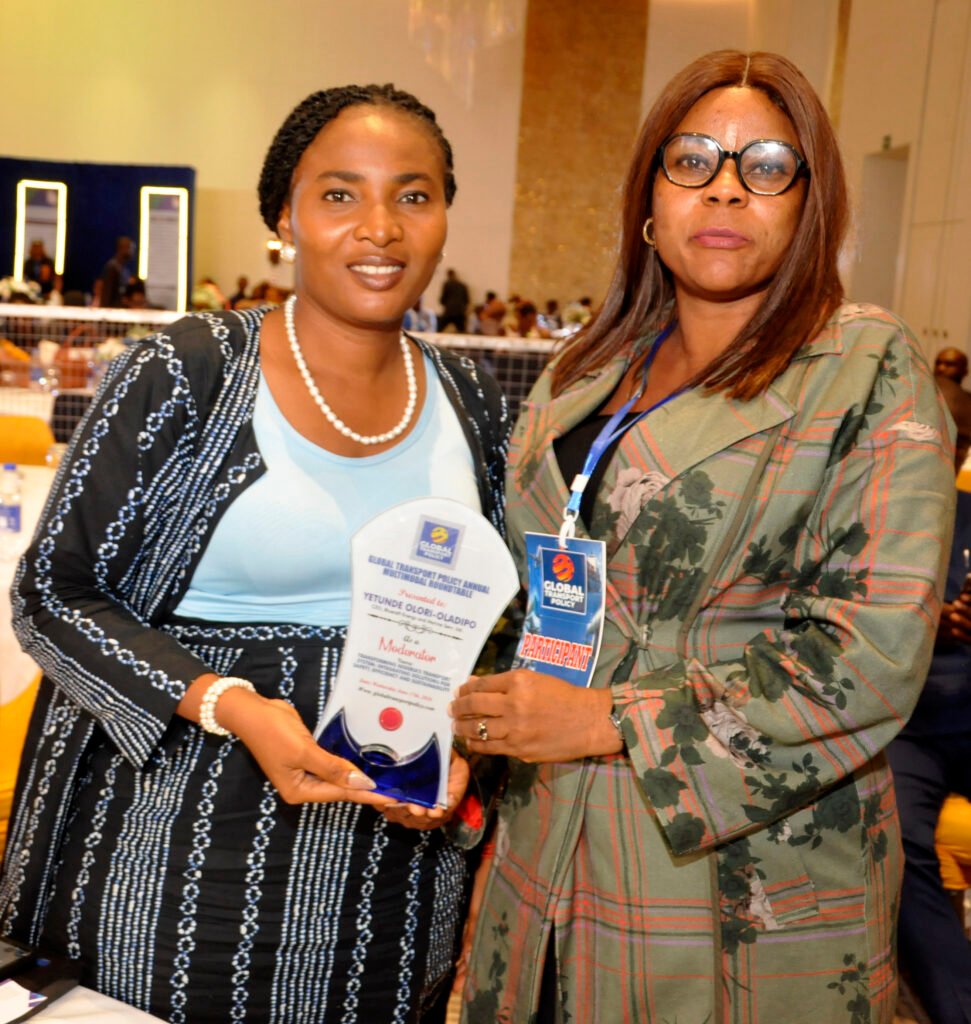
The second session, moderated by Yetunde Olori-Oladipo, examined seamless mobility and economic growth through integrated transport systems. Panelists including Foluso Ojo (truQ Technologies), Tokunbo Olaitan Arannilewa (Eonsfleet), and Tolu E. Williams (Siltech World) highlighted the role of digital logistics systems, smart mobility platforms, and data-driven integration in reducing inefficiencies and unlocking economic value.
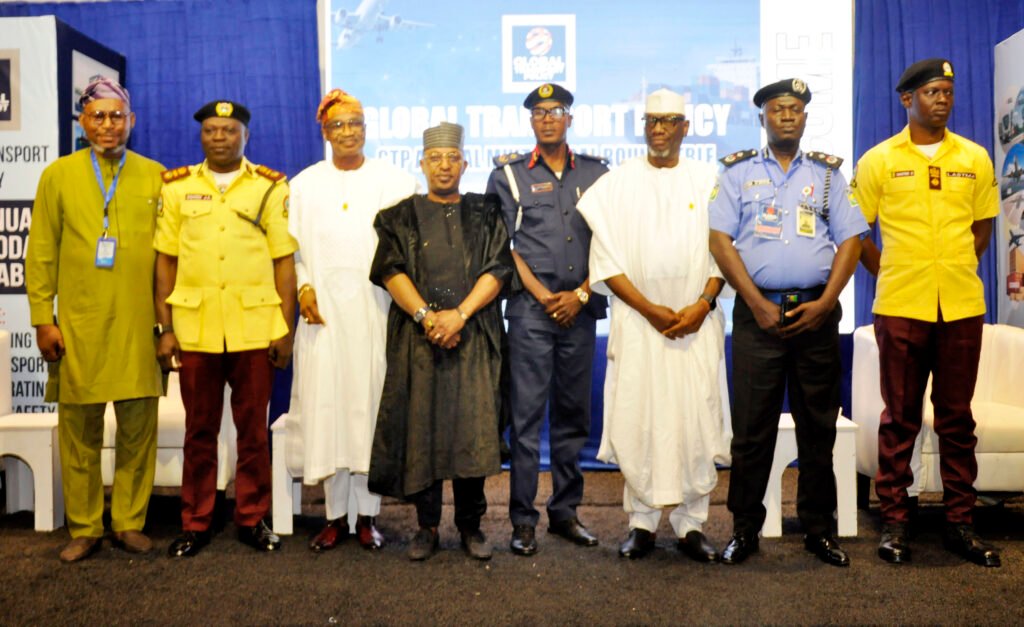
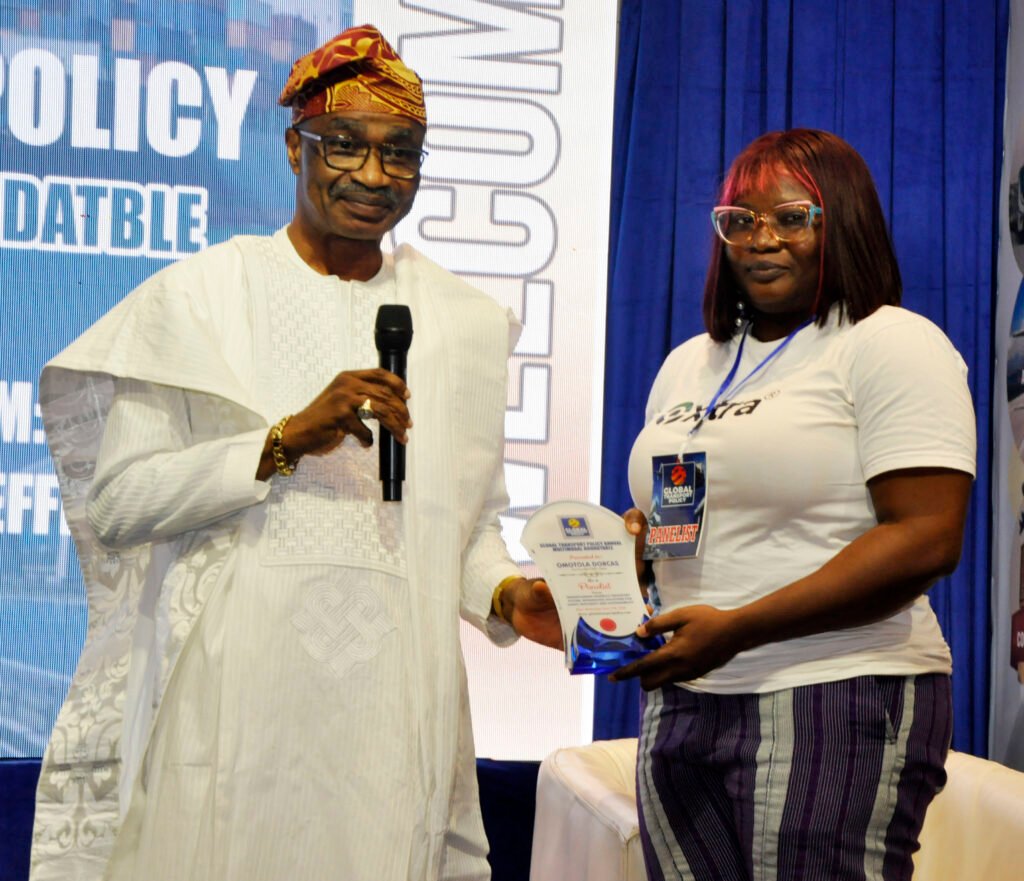
The third session, moderated by Mrs. Abike Awojobi, focused on safe and smart mobility for a greener future. Contributors such as Dr. Shola Ogunniyi (Janus Africa), Ope Onaboye (Renda Technologies), Engr. Dr. Samuel Akintomide Ajayi (NBRRI), and Omotola Dorcas (Oxtra) examined sustainable infrastructure, environmental responsibility, and intelligent transport systems as key enablers of future mobility.
Across all discussions, a clear consensus emerged: Nigeria’s transport challenges are not merely infrastructural—they are systemic, requiring integration, innovation, institutional reform, and sustained collaboration across public and private sectors.

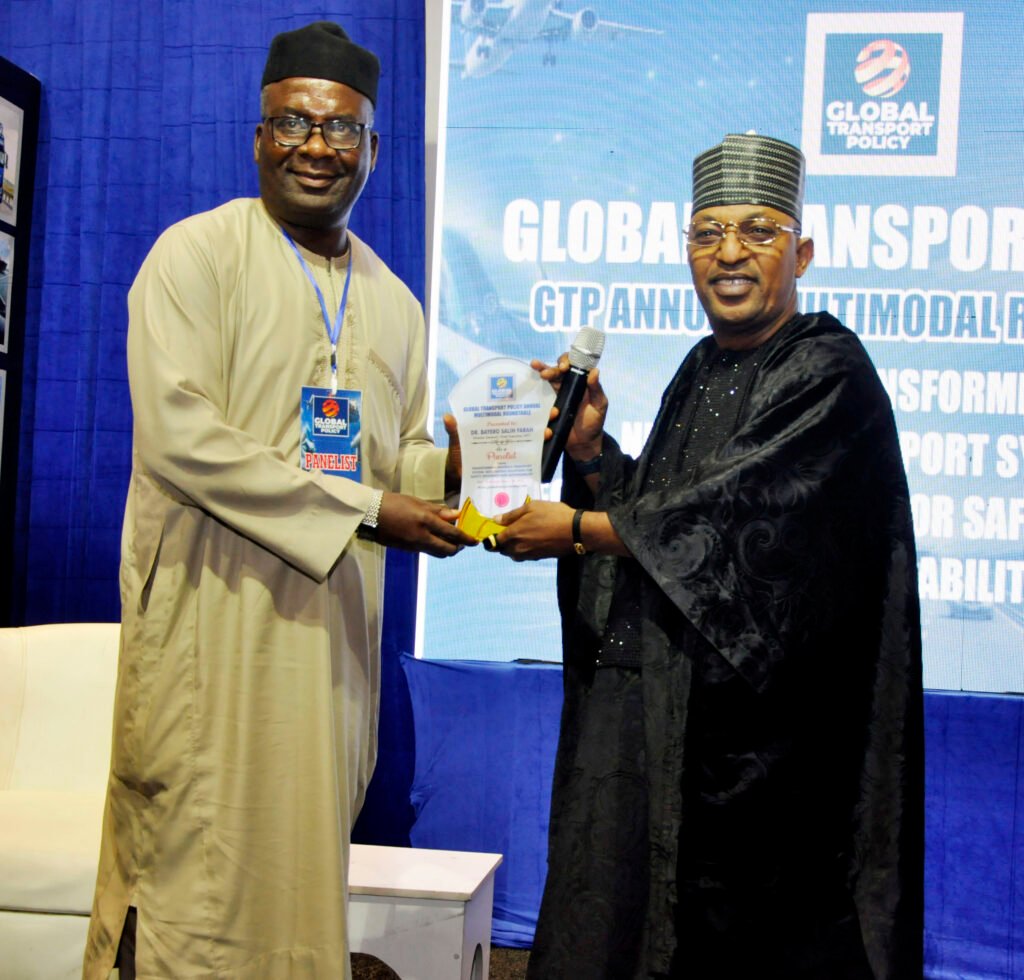
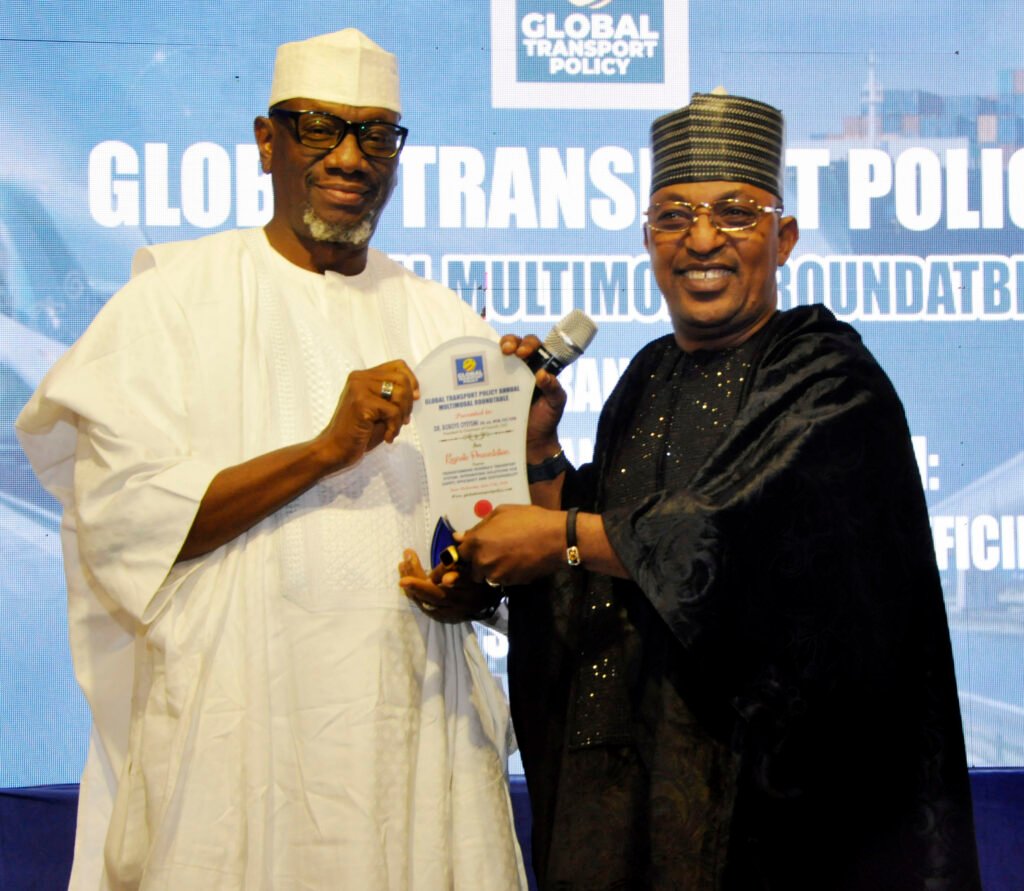
RECOGNISING EXCELLENCE AND POLICY IMPACT
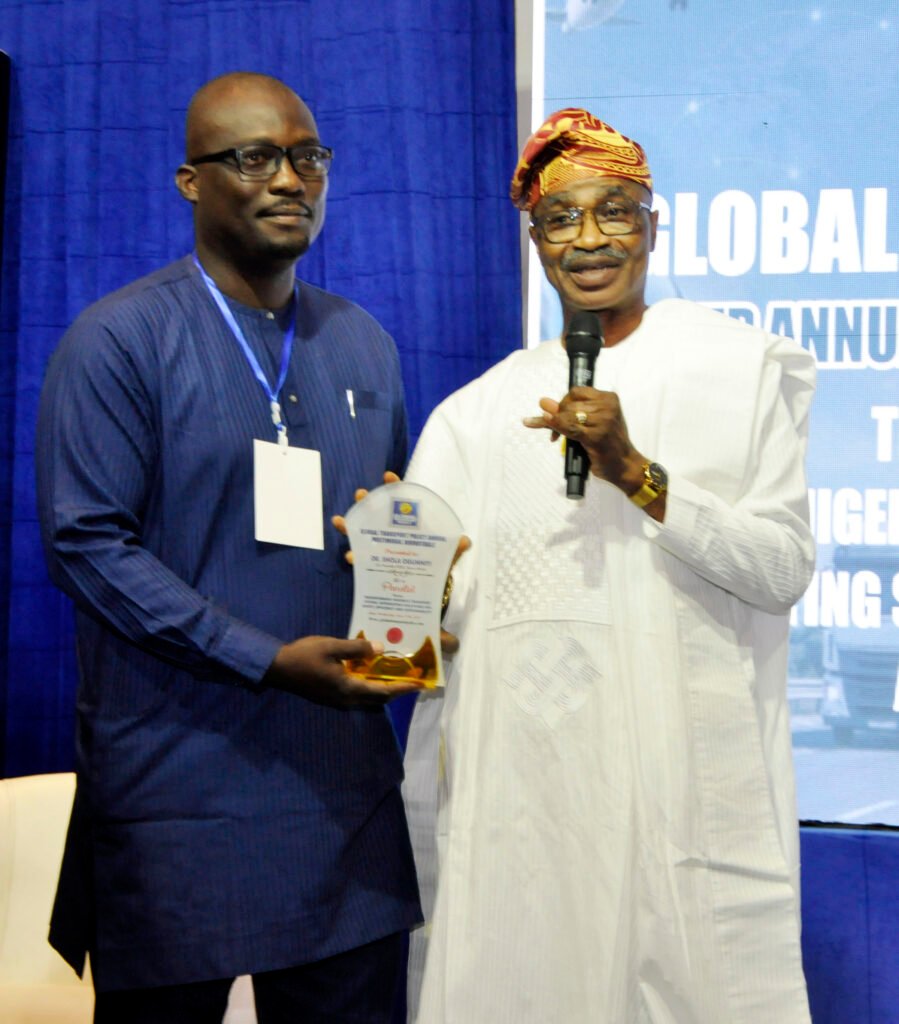
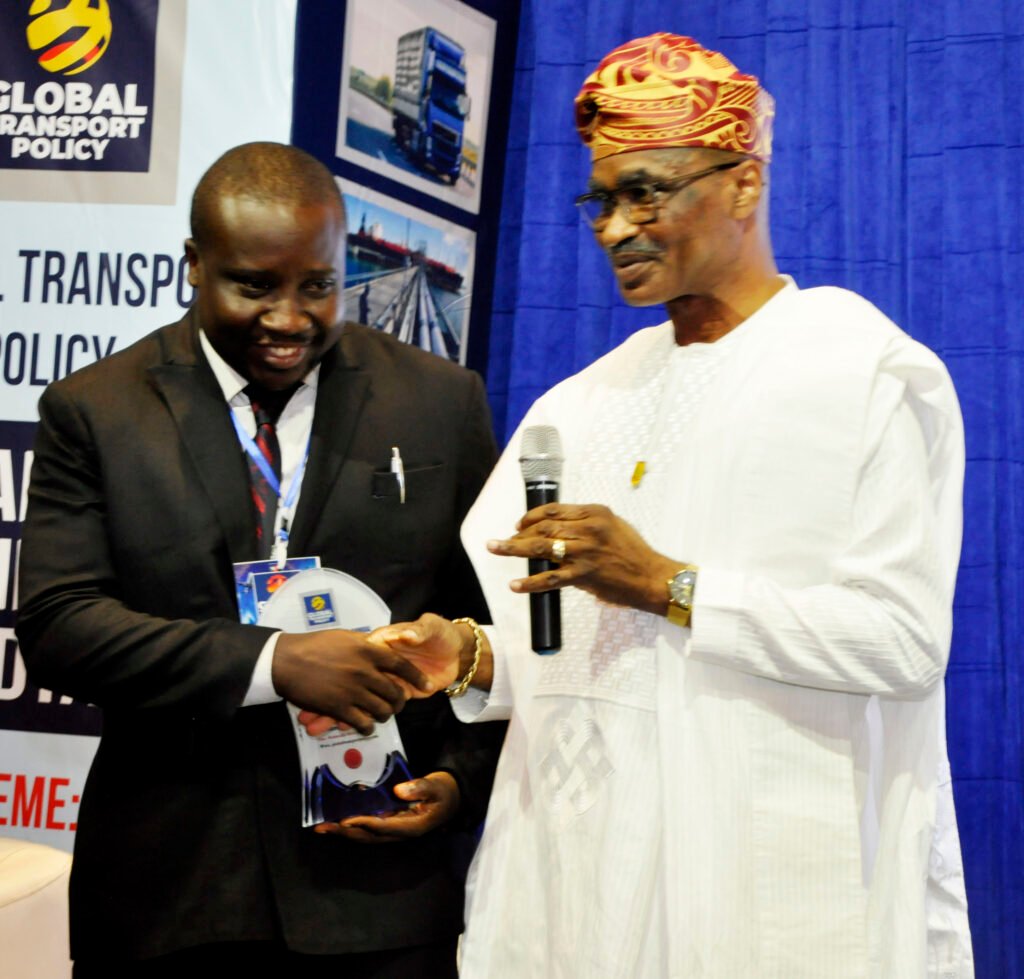
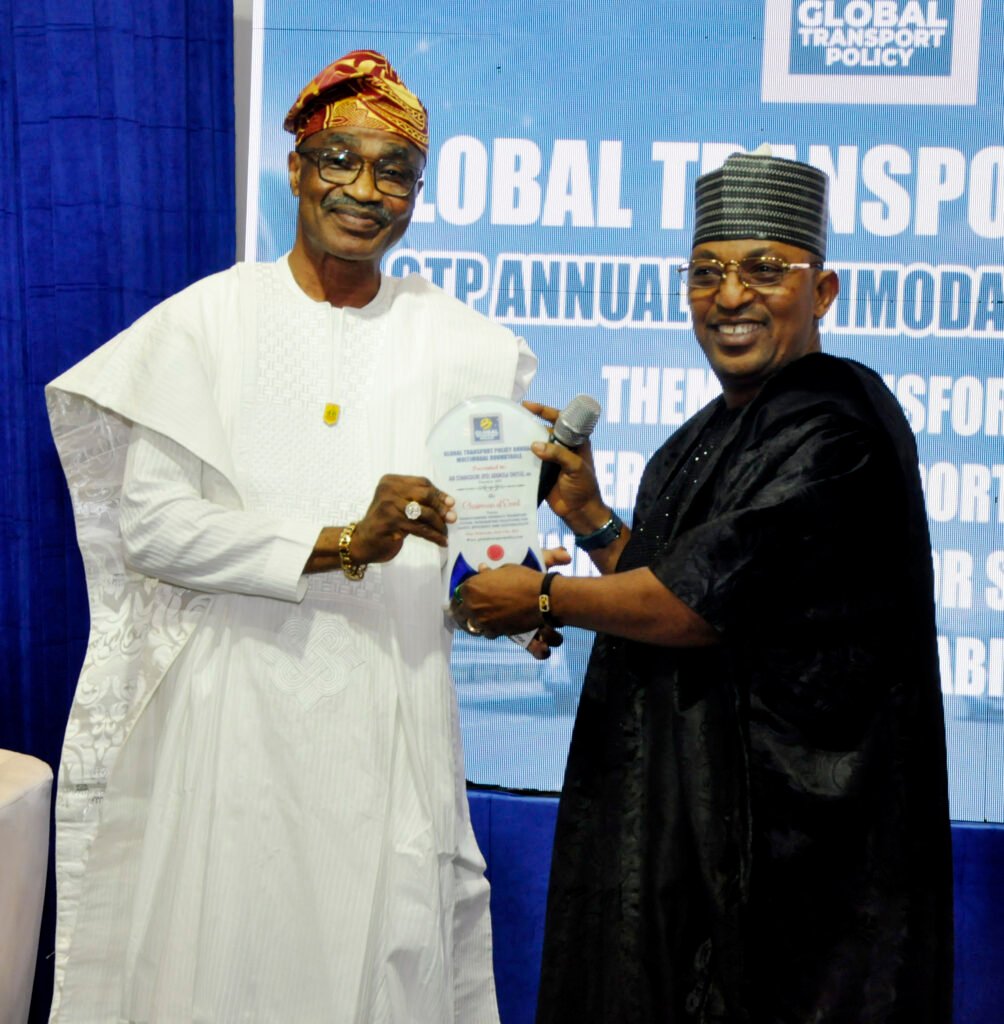
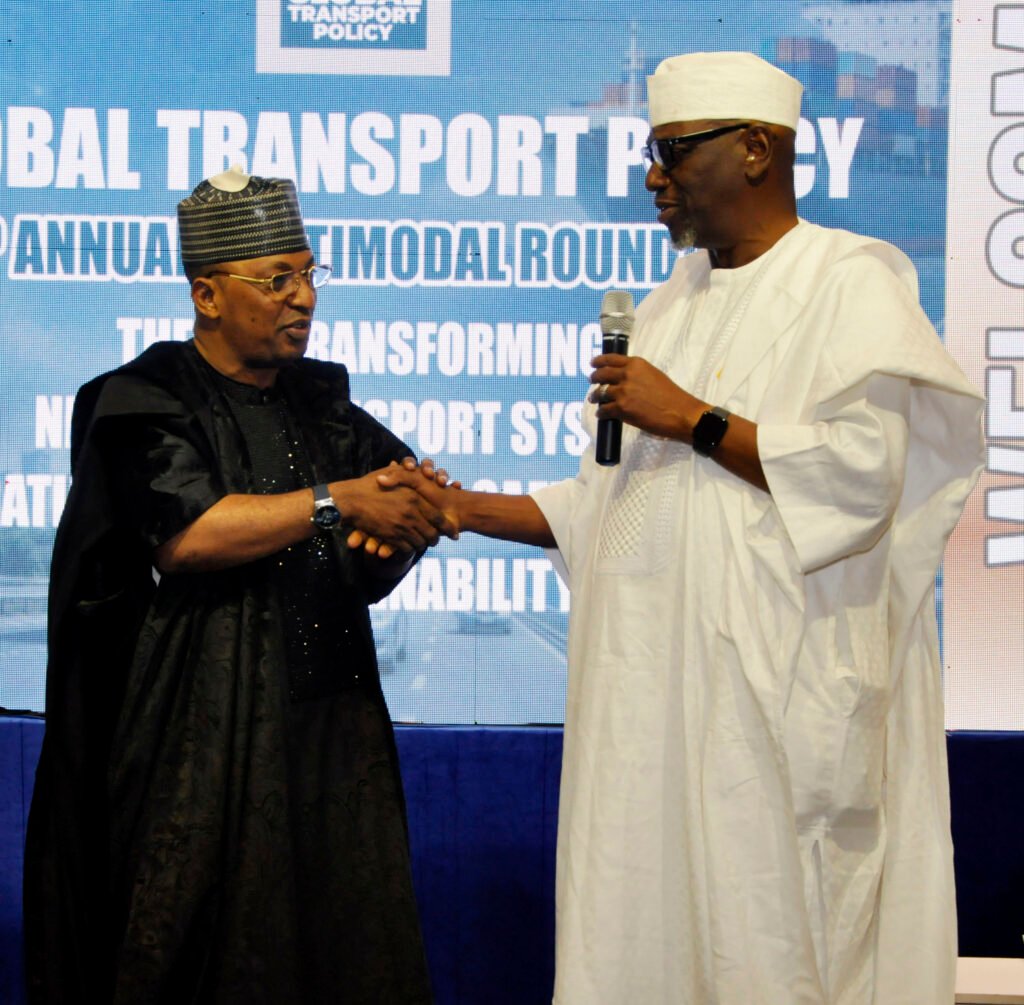
The Roundtable also featured Awards of Special Recognition presented to individuals whose contributions continue to shape transport development, policy advancement, and innovation across the ecosystem.
Goodwill messages, including remarks from Comrade Olufumilayo Sessi Akinsanmi of the Nigeria Labour Congress (Lagos Chapter), reinforced the need for inclusive reforms that prioritise workers’ welfare, capacity development, and sustainable employment within the transport sector.

A BLUEPRINT FOR REFORM
Key recommendations from the Roundtable included harmonisation of transport policies across all tiers of government, expansion of PPP-driven infrastructure development, deployment of smart mobility technologies, structured internship programmes for workforce development, and the adoption of intelligent traffic monitoring and enforcement systems.
The event concluded with the adoption of a communiqué signalling a shift from dialogue to implementation.



A MOVEMENT BEYOND A CONFERENCE
As participants departed the Marriott Hotel, the significance of the gathering was unmistakable. The 2026 Global Transport Policy Roundtable was not merely an event but a convergence of ideas, influence, and intent—one that has set in motion a broader movement toward a safer, smarter, greener, and more connected transport future for Nigeria and Africa.
The conversations may have ended, but the transformation it seeks to inspire has only just begun.